80+ Best Caption For May His Memory Be a Blessing
The phrase “may his memory be a blessing” holds deep cultural and emotional significance, particularly within Jewish traditions. It is more than just a set of words; it is a profound expression of respect, honor, and love for someone who has passed away. This article will explore the meaning of the phrase, its origins, its importance in various cultural contexts, and why it continues to be used as a way to remember and honor those who have left us.
Table of Contents
Meaning Behind “May His Memory Be a Blessing”
The phrase may his memory is a traditional Jewish saying used to honor someone who has passed away. The phrase is often heard at funerals, memorial services, or when speaking about someone who is no longer with us. It expresses a wish that the memory of the deceased will be a source of inspiration and positivity for those who remain.
In the Jewish tradition, the idea of memory is sacred. The term “blessing” in this context does not refer to material wealth or health, but rather to the positive impact that someone’s memory can have on the living. God bless and it’s a way to ensure that the legacy of the deceased continues to shape the lives of others long after they have gone.
Historical and Cultural Context of the Phrase
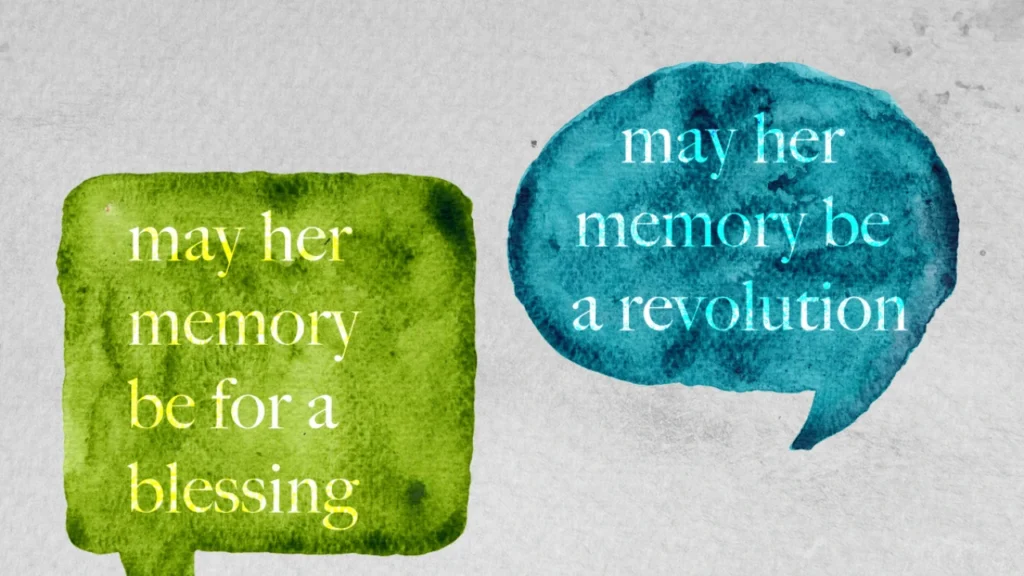
“May his memory” is primarily used in Jewish communities, where it is part of the mourning process. The phrase is often said in Hebrew as “Zichronó LiBerajá” (זיכרונו לברכה), which translates directly to “his memory for a blessing.” This saying is often used after a person has passed away, reflecting the belief that a person’s soul lives on in the memory of those they leave behind. However, this phrase is not exclusive to the Jewish faith. Over time, its use has expanded into broader contexts, including Christian and secular circles, as people find comfort in honoring the deceased in a way that is universally understood and respected.
The Importance of Remembering and Honoring the Deceased
In many cultures, remembering the dead is an important part of the grieving process. When someone passes away, their memory can become a source of comfort for those who are mourning. Saying, “may his memory be a blessing” helps individuals focus on the good that the person brought into the world. Rather than focusing on the sadness of loss, it encourages people to remember the positive aspects of the individual’s life. It is a way of keeping their memory alive, even after they have passed.
The Role of “May His Memory” in Mourning
Mourning is a personal experience, and different people grieve in different ways. For some, phrases like “may his memory be a blessing” help bring a sense of closure or peace. It is a way to acknowledge the pain of loss while also honoring the life that was lived. This phrase provides a way for mourners to express gratitude for the time they shared with the deceased, allowing them to reflect on the good times and the lasting impact the person had on their lives. In Jewish culture, mourning is structured through rituals such as sitting shiva, which is a seven-day period of mourning after a loved one has passed.
How Saying “May His Memory” Helps with Healing?
Healing after a loss is often a long and difficult journey. It is not something that happens quickly, but over time, with support from others and a focus on remembering the deceased, the healing process can begin. Saying “may his memory” is one way that people can help one another through this process. By focusing on the blessing that the deceased brought to the world, this phrase encourages people to shift their perspective from mourning the loss to celebrating the life lived.
Universal Appeal of “May His Memory”
While the phrase has Jewish origins, its simplicity and deep meaning have made it a widely used expression, transcending cultural and religious boundaries. People of various faiths and beliefs have adopted the phrase as a way to honor those who have passed, recognizing the universal desire to remember and celebrate the lives of the deceased. In many ways, “may his memory be a blessing” is a statement of hope. It reflects the belief that death is not the end, but rather a transition.
Significance of “May His Memory” in Modern Times
In today’s fast-paced world, where death and loss are often discussed in clinical terms, “may his memory” provides a human touch. It acknowledges the emotional weight of death while also reminding us of the enduring nature of memory. As people continue to experience loss, this phrase serves as a gentle reminder to cherish those who have passed and to allow their memories to inspire positive change. Whether spoken during a memorial service, shared among friends and family, or written on a card, “may his memory” carries with it the weight of love, respect, and gratitude.
How Memory Blessing Helps Preserve Legacy?
Words have power. When we speak of someone who has passed, we have the ability to preserve their legacy through the stories we tell and the memories we share. By saying “may his memory be a blessing,” we not only honor the individual, but we also reinforce the lessons they taught us and the positive changes they helped bring about. It is a phrase that encapsulates the essence of honoring someone who is no longer with us but whose influence continues to shape the world around us.
Conclusion
The phrase “may his memory be a blessing” is more than just a tradition; it is a heartfelt expression of love, respect, and gratitude. It honors those who have passed while providing comfort to those who remain. Whether it is used in a Jewish context or by people of different faiths and backgrounds, it continues to resonate with its simple, yet profound, meaning. Saying “may his memory” is a way of ensuring that the memory of a loved one endures, bringing light and goodness to the world long after they are gone.