80+ Best Caption For Blessing House Filipino Celebrates

A blessing house filipino event is a special tradition that celebrates a new home with faith, food, and family. This practice reflects the deep connection of Filipino people with religion, especially the Catholic Church. Families organize this event when they move into a new house to ask for protection and guidance. It is not only a religious ceremony but also a joyful gathering that brings people together. In Filipino culture, the home is more than a building. It represents safety, love, and unity among family members.
Table of Contents
What Is a Blessing House Filipino Event?
A blessing house filipino refers to a housewarming celebration combined with a religious blessing. A priest visits the home and performs prayers while sprinkling holy water in each room. This ritual is believed to remove negative energy and invite blessings. The event also reflects values of remembrance and respect, often expressed through meaningful phrases like “may his memory be a blessing”, which highlight the importance of honoring loved ones. The event usually happens during the day and includes close relatives, neighbors, and friends. Guests join prayers and later enjoy a meal together.
Religious Importance of House Blessing in Filipino Culture
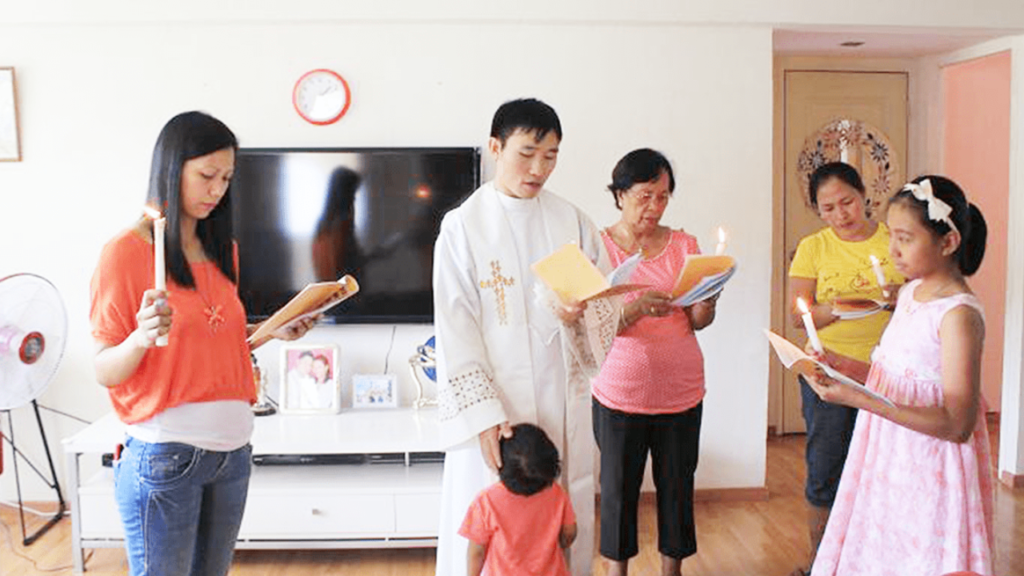
Religion plays a strong role in Filipino daily life. Most families follow Catholic traditions and believe in divine protection. A blessing house filipino ceremony connects the home with spiritual guidance. The priest reads Bible passages and offers prayers for safety and prosperity. Many families believe this step is important before fully living in the house. It gives them peace of mind and a sense of security.
| Ritual Element | Meaning |
|---|---|
| Holy Water | Cleanses the home spiritually |
| Prayers | Asks for guidance and protection |
| Bible Reading | Brings God’s word into the home |
| Room Blessing | Covers every part of the house |
Each part of the ritual holds deep meaning and reflects strong faith values.
Planning a House Filipino Celebration
Planning a blessing house filipino event requires preparation, but it does not have to be complex. Families focus on both the religious ceremony and the gathering afterward. They usually set a date that works for the priest and guests. Invitations are often informal and shared through calls or messages. The home is cleaned and decorated to welcome visitors. Food preparation is a major part of planning. Filipino hospitality values generous servings and variety. Hosts make sure that guests feel comfortable and satisfied.
Traditional Filipino Foods Served
Food plays a central role in every Filipino celebration. A house filipino event always includes a wide spread of dishes. Each dish has meaning and adds to the festive atmosphere.
| Dish Name | Description | Symbolism |
|---|---|---|
| Lechon | Whole roasted pig | Wealth and celebration |
| Pancit | Noodle dish | Long life and good health |
| Lumpia | Spring rolls | Prosperity |
| Adobo | Meat in soy sauce | Comfort and tradition |
| Rice | Staple food | Abundance |
Serving pancit is very important because it represents long life, which is a wish for the household. Hosts often prepare more food than needed. This reflects generosity and ensures that no guest leaves hungry.
Social and Cultural Value of the Event
A house filipino gathering strengthens relationships within the community. It allows families to reconnect with relatives and meet neighbors Filipino culture values togetherness and shared experiences. Events like this help maintain strong social bonds. Guests bring gifts or food as a sign of support. The sense of community makes the event meaningful beyond the religious aspect. People share laughter, stories, and good memories.
Decorations and Setup for the Occasion
The home is usually decorated in a simple but welcoming way. A blessing house filipino setup focuses on cleanliness and comfort. Families arrange chairs and tables to accommodate guests. They may add flowers or religious items like images of saints. The dining area becomes the center of activity after the blessing. Lighting also plays a role in creating a warm atmosphere. A well-lit space makes guests feel relaxed and happy.
Differences Between Blessing House and Regular Housewarming
A house filipino is different from a typical housewarming party. The main difference lies in the religious ceremony.
| Aspect | Blessing House Filipino | Regular Housewarming |
|---|---|---|
| Purpose | Spiritual blessing | Social gathering |
| Ceremony | Priest-led prayers | No formal ritual |
| Focus | Faith and family | Entertainment |
| Food | Traditional dishes | Varies |
The religious element makes the Filipino version unique and deeply meaningful.
Modern Changes in House Filipino Traditions
Over time, the blessing house filipino tradition has adapted to modern lifestyles. Some families now keep the event smaller due to busy schedules. Others choose simple meals instead of large feasts. Technology also helps in inviting guests through social media. Despite these changes, the core values remain the same. Faith, gratitude, and family continue to guide the celebration. These values keep the tradition alive in both rural and urban areas.
Tips to Make the Event Successful
Hosting a house filipino event becomes easier with proper planning. Families focus on organization and guest comfort. They prepare food in advance and arrange the space efficiently. Timing the ceremony and meal helps avoid confusion. A well-organized event creates a positive experience for everyone involved. Guests remember the warmth and hospitality more than anything else.
Common Mistakes to Avoid
Some families make small mistakes when planning a blessing house filipino event. Avoiding these helps ensure a smooth celebration.
| Mistake | Solution |
|---|---|
| Overcrowding | Limit guest list |
| Lack of food | Prepare extra servings |
| Poor timing | Schedule clearly |
| Ignoring ceremony | Prioritize the blessing |
Proper planning prevents stress and improves the overall experience.
Why This Tradition Still Matters Today?
The house filipino tradition remains important because it reflects core Filipino values. It shows respect for faith, family, and community. Even in modern times, people seek meaning and connection. This event provides both. It reminds families to be grateful for their home and the people around them. The tradition continues because it meets both spiritual and social needs.
Conclusion
A blessing house filipino is more than a simple housewarming event. It combines faith, culture, and celebration in a meaningful way. Families use this tradition to start a new chapter with blessings and positive energy. The ceremony, food, and gathering all work together to create a memorable experience. It reflects the values of gratitude, unity, and generosity. As times change, the tradition may adapt, but its purpose remains strong.