100+ Best Caption For Hyssop in the Bible Aromatic Plant
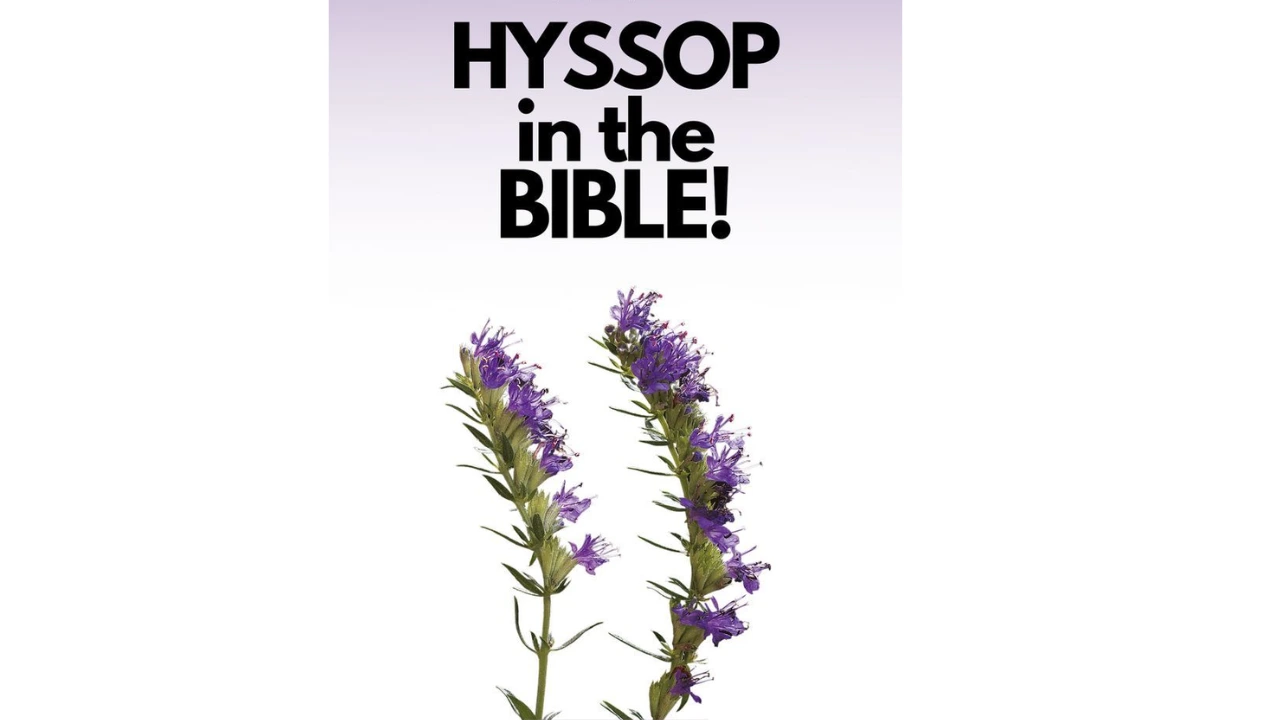
Hyssop in the Bible is one of the most meaningful plants mentioned in Scripture. Although it appears only a few times, each reference carries deep spiritual importance. Hyssop represents cleansing, purification, faith, sacrifice, and God’s forgiveness. From the first Passover in Egypt to the crucifixion of Jesus Christ, this humble plant reminds believers that God provides a way to be made clean from sin.
Table of Contents
What Is Hyssop?
Hyssop is a small aromatic plant that grows in rocky areas around the Mediterranean and the Middle East. It has thin stems, green leaves, and small flowers. Scholars debate the exact species mentioned in the Bible because the Hebrew word may refer to several similar plants. However, the plant’s identity does not change its spiritual message. Like discussions about anunnaki in the bible, studying biblical plants helps readers better understand the historical and cultural background of Scripture. People in ancient Israel used hyssop for ceremonial washing, purification, and religious rituals. Because it was easy to gather into small bundles, it worked well for sprinkling water or blood during sacred ceremonies.
| Feature | Details |
|---|---|
| Common Name | Hyssop |
| Biblical Language | Hebrew: Ezov |
| Region | Middle East and Mediterranean |
| Main Purpose | Purification and religious ceremonies |
| Symbolism | Cleansing, forgiveness, sacrifice, faith |
Why Is Hyssop Important in the Bible?
The importance of hyssop in the Bible comes from its repeated connection with cleansing. God used it during some of Israel’s most important spiritual events. Instead of being valuable because of its appearance, hyssop became special because God chose it for His holy purposes. Every biblical reference teaches that people cannot cleanse themselves from sin. God alone provides true purification. Hyssop became a visible reminder of that truth. Its story also connects the Old Testament with the New Testament, showing how God’s plan of salvation remained consistent throughout history.
Hyssop at the First Passover
The first major appearance of hyssop occurs during the Passover in Egypt. Before freeing the Israelites from slavery, God instructed every family to sacrifice a lamb. They collected the lamb’s blood and used a bundle of hyssop to place the blood on the tops and sides of their doors. When the Lord passed through Egypt, He spared every house marked by the blood. This event teaches several important lessons.
- The blood brought protection.
- Hyssop applied the blood.
- Faith required obedience to God’s command.
The Passover became one of Israel’s greatest celebrations because it reminded them that God rescued them from slavery.
| Passover Element | Meaning |
|---|---|
| Lamb | Sacrifice |
| Blood | Protection |
| Hyssop | Applying God’s provision |
| Doorposts | Faith and obedience |
Hyssop in the Cleansing Ceremonies
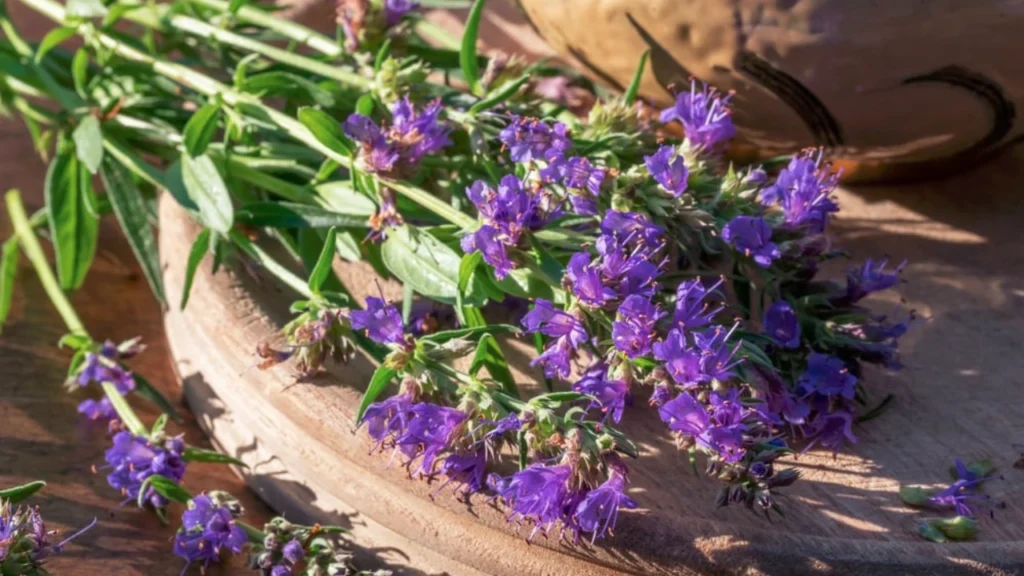
Another important example of hyssop in the Bible appears in the laws given to Israel after the Exodus. God instructed priests to use hyssop during ceremonies for people healed from serious skin diseases. The plant was also used in purification rituals after contact with a dead body. These ceremonies did not remove sin by themselves. Instead, they taught God’s people about holiness and their need for spiritual cleansing. The rituals reminded Israel that God is holy and that people should approach Him with clean hearts.
David’s Prayer: “Purge Me With Hyssop”
One of the best-known verses about hyssop appears in Psalm 51. After King David sinned against God, he confessed with deep sorrow. Instead of asking only for forgiveness, David asked God to completely cleanse his heart. He prayed:
“Purge me with hyssop, and I shall be clean; wash me, and I shall be whiter than snow.”
David understood that outward rituals alone could not change a person’s heart. He needed God’s mercy and forgiveness. This verse has encouraged believers for thousands of years because it reminds everyone that God can forgive even serious sins when people truly repent.
| Psalm 51 Lesson | Spiritual Meaning |
|---|---|
| Purge me with hyssop | Complete cleansing |
| Wash me | Forgiveness |
| Whiter than snow | New life through God’s mercy |
Hyssop at the Crucifixion of Jesus
The final major reference to hyssop in the Bible appears during the crucifixion of Jesus Christ. As Jesus hung on the cross, soldiers lifted a sponge filled with sour wine to His mouth using a branch of hyssop. This detail may seem small, but many Bible scholars believe John intentionally included it because it connects Jesus with the Passover lamb. Just as hyssop helped apply the blood of the Passover lamb, it appeared again during the sacrifice of Jesus. The connection shows that Jesus became the perfect sacrifice for the sins of the world.
Spiritual Meaning of Hyssop
Throughout Scripture, hyssop carries one clear message. God cleanses those who trust Him. The plant itself had no supernatural power. God gave it meaning through His commands and His promises. Hyssop reminds believers that forgiveness comes from God rather than human effort. Its symbolism includes several important themes.
| Symbol | Meaning |
|---|---|
| Cleansing | Removal of impurity |
| Forgiveness | God’s mercy toward sinners |
| Faith | Trusting God’s promises |
| Sacrifice | Pointing to Christ |
| Restoration | Returning to fellowship with God |
Lessons Christians Can Learn Today
Although Christians no longer perform Old Testament purification ceremonies, the message behind hyssop in the Bible remains meaningful today. Believers still need God’s forgiveness. Every person makes mistakes, but God offers mercy through Jesus Christ. Hyssop teaches that people should never depend on good works alone for salvation. Instead, they should place their faith in God’s provision. hyssop in the Bible also reminds Christians to confess their sins honestly and seek spiritual renewal each day.
Was Biblical Hyssop the Same Plant We Know Today?
Many scholars discuss whether the biblical plant matches the hyssop sold in gardens today. Some researchers believe the biblical plant was a type of marjoram or another aromatic herb native to Israel. Others think it closely resembled modern hyssop. The exact species remains uncertain because ancient Hebrew names often referred to groups of similar plants. Fortunately, this uncertainty does not affect the spiritual meaning of the biblical passages,
Bible Verses About Hyssop
The following passages contain the primary references to hyssop in the Bible.
| Bible Reference | Main Event |
|---|---|
| Exodus 12:22 | Passover blood on the doors |
| Leviticus 14:4–7 | Cleansing of healed lepers |
| Numbers 19:18 | Purification ceremony |
| Psalm 51:7 | David’s prayer for cleansing |
| John 19:29 | Hyssop at Jesus’ crucifixion |
Together, these verses reveal a consistent message of God’s holiness, mercy, and redemption.
Conclusion
Hyssop in the Bible may seem like a small detail, yet it carries one of Scripture’s most beautiful messages. From the first Passover to the cross of Christ, hyssop points to God’s desire to cleanse, forgive, and restore His people. It reminds believers that salvation comes through God’s grace rather than human effort. Whether it appears in the laws of Moses, the prayer of David, or the crucifixion of Jesus, hyssop in the Bible consistently symbolizes purification and hope. Its story encourages every reader to trust God’s promise of forgiveness and to seek a clean heart through faith in Him.