80+ Best Caption For Blessing of the Hands
The blessing of the hands is a meaningful spiritual tradition that honors the work, love, and care people give through their hands. Across history, hands have symbolized strength, unity, healing, and service in many cultures and religions. When families, couples, or faith leaders perform a blessing of hands, they ask for protection, wisdom, and guidance for the actions those hands will take. This ritual appears in weddings, church services, healing ceremonies, and even family gatherings because it reminds people that daily actions carry deep meaning.
Table of Contents
About Blessing of the Hands
The history of the blessing of hands connects strongly to Christian and Jewish traditions where laying on of hands symbolized prayer and divine authority. In the Bible, leaders placed hands on others to bless, heal, or dedicate them to service, which created a powerful image of spiritual transfer. Early Christian communities used hand blessings during ordination ceremonies to dedicate priests and ministers to sacred work. Jewish priests raised their hands during the priestly blessing, showing that hands carried divine favor and protection. This sacred gesture often carried the deeper message of You Are a Blessing, reminding individuals that their lives and actions held spiritual value and purpose.
| Historical Period | Use of Hand Blessing | Spiritual Meaning |
|---|---|---|
| Biblical Times | Laying on of hands | Healing and authority |
| Early Church | Ordination rituals | Dedication to service |
| Medieval Era | Marriage ceremonies | Unity and covenant |
| Modern Times | Weddings and healing events | Commitment and purpose |
Symbolism Behind Hands in Spiritual Traditions
Hands represent action, power, and connection in nearly every culture around the world. People shake hands to show trust, raise hands to show praise, and hold hands to express love and comfort. The blessing of the hands recognizes that hands build homes, comfort children, heal patients, and create meaningful work. In Christianity, hands symbolize God’s protection and guidance because scriptures often mention the “hand of God.” In Hindu and Buddhist traditions, sacred hand gestures called mudras express spiritual states and meditation focus. Even outside religion, hands show responsibility and intention because they turn thoughts into actions.
Blessing of Hands in Wedding Ceremonies
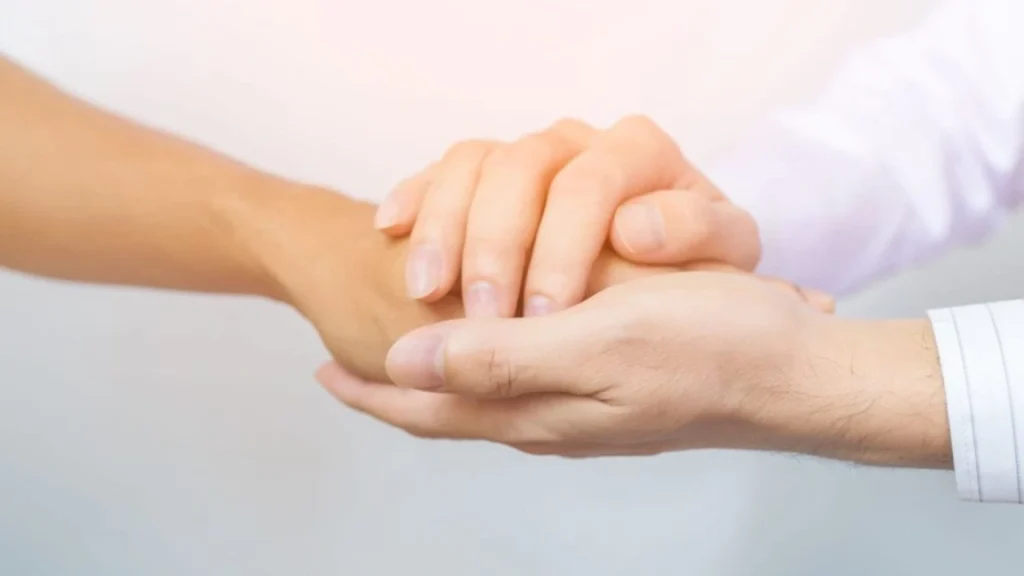
The most common modern form of the blessing of the hands appears in wedding ceremonies where couples dedicate their hands to each other. During this moment, partners hold hands while the officiant speaks words about love, strength, and lifelong support. The ceremony reminds couples that marriage requires daily effort through small and meaningful actions. These hands will build a home, care for children, share responsibilities, and comfort one another during hard seasons. Wedding guests often feel emotional during this ritual because it highlights real commitment rather than only romantic feelings.
| Wedding Element | Meaning of the Hands | Emotional Impact |
|---|---|---|
| Holding Hands | Unity and trust | Builds intimacy |
| Spoken Prayer | Commitment and guidance | Creates sacred moment |
| Ring Exchange | Eternal promise | Symbol of loyalty |
| Public Witness | Community support | Strengthens vows |
Healing and Medical Blessing of Hands
Hospitals and nursing schools often include the blessing of hands in ceremonies for healthcare workers. This ritual asks that caregivers use their skills with wisdom, patience, and compassion. Medical professionals work with their hands every day, and their touch can bring comfort or healing to patients in pain. The blessing of the hands reminds nurses and doctors that their work carries responsibility and sacred value. During the ceremony, leaders may anoint hands with oil or speak prayers for steady movement and caring hearts. This meaningful tradition helps professionals feel honored and spiritually supported before beginning their service.
| Healthcare Role | Purpose of the Blessing | Desired Outcome |
|---|---|---|
| Nurses | Compassionate care | Patient comfort |
| Doctors | Skilled treatment | Safe healing |
| Therapists | Gentle support | Emotional recovery |
| Volunteers | Selfless service | Community strength |
Family and Personal Blessing of Hands
Families also practice the blessing of hands at home before important life events or milestones. Parents sometimes bless a child’s hands before school, exams, or graduation to encourage confidence and kindness. This act teaches children that their actions matter and that their work can help others. The blessing of the hands in family life does not require a church setting because it focuses on love and guidance. A simple prayer asking that hands do good work can build emotional strength and faith. Many families create their own words for this ritual to make it personal and heartfelt.
Religious Meaning in Christian Tradition
In Christian faith, hands carry strong theological meaning because scriptures describe divine power through God’s hand. Priests lay hands on individuals during confirmation, healing prayers, and ordination services. The blessing of hands connects believers to the idea that God works through human actions. Churches often include this ritual during Holy Week, weddings, and special services to emphasize dedication and service. Christian theology teaches that believers should use their hands to serve others, feed the hungry, and comfort the weak. This teaching supports the spiritual message that everyday actions reflect faith in motion.
| Christian Practice | Role of Hands | Spiritual Message |
|---|---|---|
| Confirmation | Laying on hands | Receiving the Holy Spirit |
| Ordination | Dedication of ministry | Commitment to service |
| Healing Prayer | Touch for comfort | Faith and restoration |
| Marriage | Joined hands | Covenant unity |
Cultural Variations Around the World
Many cultures express blessings through touch and hand gestures even outside formal religion. In Asian traditions, bowing with hands together shows respect and peaceful intention. Indigenous communities often use hand rituals to connect with nature and ancestors. The blessing of hands adapts easily across cultures because hands symbolize shared human experience. Whether in a church, temple, hospital, or home, the ritual honors the universal value of action and care. Cultural differences may shape the words spoken, yet the meaning remains focused on purpose and unity.
Psychological and Emotional Impact
The blessing of hands carries psychological benefits because it encourages mindfulness and gratitude. When individuals pause to dedicate their actions to good purpose, they feel motivated and calm. This ritual can reduce anxiety before big life moments because it builds a sense of spiritual protection. The blessing of hands also strengthens relationships by highlighting commitment and shared responsibility. Couples feel closer, caregivers feel supported, and families feel united through this simple act. Emotional connection grows when people recognize the power behind ordinary actions.
How to Perform a Blessing of Hands?
People can perform the blessing of the hands in a simple and respectful way without complex preparation. First, the individual or couple joins hands to show unity and openness. Then a prayer, affirmation, or meaningful words express hope for strength and kindness. Some traditions include anointing oil or gentle touch as a physical symbol of dedication. The ritual ends with gratitude and reflection on the purpose those hands will serve. Anyone can adapt the words to fit personal beliefs while keeping the message focused on positive action.
| Step | Action | Purpose |
|---|---|---|
| 1 | Join or present hands | Show openness |
| 2 | Speak prayer or affirmation | Declare intention |
| 3 | Optional anointing | Symbol of dedication |
| 4 | Closing gratitude | Affirm commitment |
Modern Relevance of Blessing of Hands
In modern society, people seek meaningful rituals that create connection and intention. The blessing of the hands fits this need because it feels simple yet powerful. Couples use it to deepen wedding vows, healthcare workers use it to honor service, and families use it to encourage growth. The ritual continues to grow in popularity because it blends tradition with emotional expression. As communities search for authentic spiritual practices, this meaningful act remains timeless and adaptable.
Conclusion
The blessing of the hands stands as a beautiful tradition that honors love, service, healing, and commitment. It connects ancient religious practice with modern life through simple yet powerful symbolism. Whether performed in a wedding, hospital, church, or home, the ritual reminds people that actions shape the world around them. The blessing of hands encourages individuals to use strength with kindness and responsibility. By dedicating hands to positive purpose, people transform daily tasks into sacred acts of care and unity. This meaningful tradition continues to inspire faith, hope, and connection across generations because it honors the human power to create, comfort, and serve.