
80+ Best Caption For Anunnaki in the Bible
Many people search for anunnaki in the bible after watching documentaries, reading online theories, or hearing stories about ancient civilizations. Some claim the Anunnaki were fallen angels, while others believe they were the mysterious beings mentioned in Genesis. These ideas have become popular across social media, books, and videos. However, the Bible tells a different story. The word “Anunnaki” never appears in any book of the Bible. Most of the connections between the Anunnaki and biblical events come from modern theories rather than biblical evidence.
Table of Contents
Who Were the Anunnaki?
The Anunnaki were ancient Mesopotamian deities worshipped by the Sumerians, Akkadians, Babylonians, and Assyrians. They appeared in religious texts written thousands of years before the birth of Christ. In these ancient stories, the Anunnaki served as powerful gods who ruled different parts of the universe. Ancient myths describe them as judges, rulers, and protectors of the world. These stories belong to mythology rather than biblical history. Unlike topics such as the Shortest Book in the Bible, which can be answered directly from Scripture, the Anunnaki come from ancient Mesopotamian mythology and are not mentioned anywhere in the biblical text.
| Topic | Details |
|---|---|
| Origin | Ancient Mesopotamia |
| Religion | Sumerian, Akkadian, Babylonian |
| Meaning | Offspring of An (Anu) |
| Role | Gods, judges, rulers |
| Mentioned in Bible | No |
Are the Anunnaki in the Bible?
Many readers wonder whether anunnaki in the bible is a real biblical teaching or simply an internet myth. The simple answer is no. The word Anunnaki does not appear anywhere in the Old Testament or the New Testament. The Bible never describes a group of divine beings called the Anunnaki. Instead, Scripture focuses on one true God, His angels, and humanity. Although the Bible mentions spiritual beings, none of them are identified as Anunnaki. Many modern writers try to connect ancient Mesopotamian myths with biblical passages.
Why Do People Connect the Anunnaki with the Bible?
The popularity of anunnaki in the bible comes from books, television shows, podcasts, and online discussions. These sources often combine biblical stories with ancient mythology to create exciting theories.
Several reasons explain why these connections became popular.
First, both the Bible and Mesopotamian literature discuss the creation of the world. Second, both contain stories about a great flood. Third, both describe heavenly beings. Because these similarities exist, some people assume they describe the same characters. Historians explain that neighboring civilizations often shared cultural themes. Similar stories do not automatically mean they refer to the same events or the same beings.
The Anunnaki and the Book of Genesis
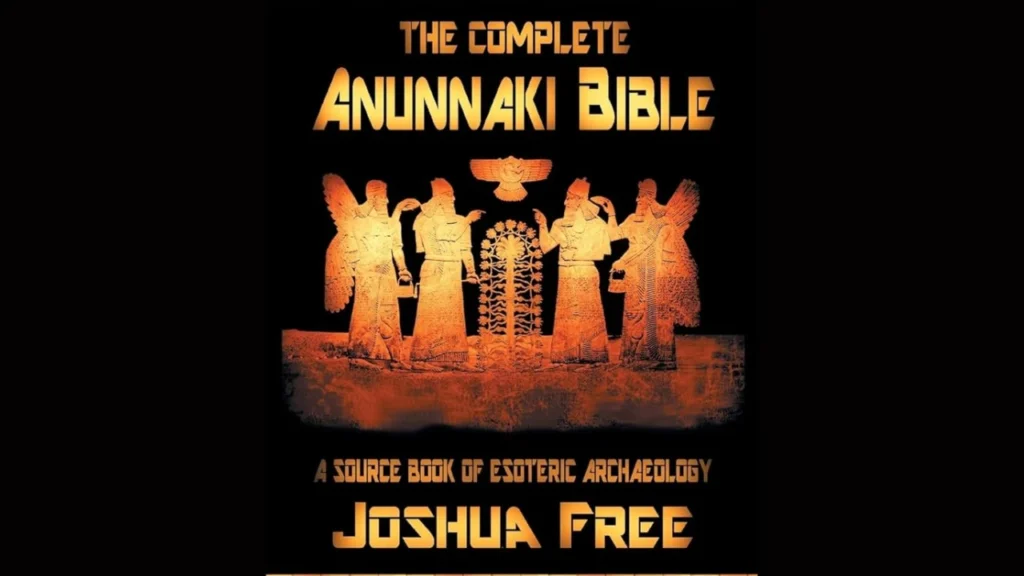
Genesis is the first book that many people examine while researching anunnaki in the bible. The discussion usually centers on Genesis 6:1–4, which speaks about the “sons of God,” the “daughters of men,” and the Nephilim. This short passage has been debated for centuries. Some people believe the sons of God were angels. Others believe they were descendants of Seth. Another view says they were powerful human rulers.
| Genesis Topic | Biblical Fact |
|---|---|
| Sons of God | Mentioned in Genesis 6 |
| Nephilim | Mentioned briefly |
| Anunnaki | Never mentioned |
| Direct Connection | None in Scripture |
Are the Nephilim the Anunnaki?
One of the biggest internet claims says the Nephilim were actually the Anunnaki. This idea attracts many readers because the Nephilim remain one of the Bible’s most mysterious groups. The Bible gives very little information about the Nephilim. They appear in Genesis and later in the Book of Numbers. Scripture does not explain every detail about them. Although the theory remains popular online, it lacks support from biblical manuscripts and archaeological discoveries.
Ancient Mesopotamian Beliefs Compared with the Bible
Understanding Mesopotamian religion helps explain why people become confused. The Bible and Mesopotamian myths were written in the same general region of the ancient Near East. They sometimes discuss similar topics while presenting completely different beliefs. The Bible teaches that God alone created the heavens and the earth. Mesopotamian myths describe many gods sharing power and fighting among themselves.
| Bible | Mesopotamian Mythology |
|---|---|
| One Almighty God | Many gods |
| Creation by God | Creation involving several deities |
| God is eternal | Gods belong to mythology |
| Angels serve God | Anunnaki act as gods |
| Scripture | Mythological stories |
These differences show why scholars separate biblical teaching from Mesopotamian mythology.
Ancient Astronaut Theory and the Anunnaki
Modern interest in anunnaki in the bible increased because of the ancient astronaut theory. This idea claims that advanced extraterrestrials visited Earth thousands of years ago. These claims sound interesting, but they are not supported by mainstream archaeology, history, or biblical scholarship. Experts who study ancient cuneiform tablets say these interpretations do not match the original texts.
What Does the Bible Actually Teach About Spiritual Beings?
Instead of discussing the Anunnaki, the Bible clearly teaches about several kinds of spiritual beings. Angels serve God by carrying out His commands. Cherubim guard God’s holiness, while seraphim worship Him continuously. The Bible also describes fallen angels who rebelled against God under Satan’s leadership. These beings oppose God’s plan but remain under His authority. None of these spiritual beings are identified as the Anunnaki. The Bible presents a unique understanding of the spiritual world that differs greatly from ancient pagan religions.
What Do Biblical Scholars Say?
Most respected biblical scholars agree on several important points. They acknowledge that Israel lived among neighboring cultures with different religions. They also recognize that ancient civilizations sometimes shared similar story themes. However, scholars clearly state that the Bible never identifies the Anunnaki as biblical characters. The connection appears only in modern books and theories. This scholarly agreement helps separate historical facts from popular speculation.
Common Myths About the Anunnaki
Many websites repeat the same claims without providing reliable evidence. Understanding these myths helps readers avoid confusion.
| Myth | Reality |
|---|---|
| The Bible names the Anunnaki | False. The word never appears. |
| The Nephilim were Anunnaki | No biblical proof exists. |
| The Anunnaki created humans | This comes from mythology, not Scripture. |
| Ancient astronauts appear in Genesis | The Bible never teaches this. |
| Scholars support these theories | Most scholars reject them. |
Learning the difference between myth and fact allows readers to better understand both biblical history and ancient mythology.
How Should Christians View the Anunnaki?
Christians should approach ancient myths with wisdom and careful study. Reading historical literature can help people understand the cultures surrounding ancient Israel. However, mythology should never replace biblical teaching. The Bible presents God’s message through historical narratives, prophecy, poetry, wisdom literature, and the life of Jesus Christ. Its central message focuses on God’s relationship with humanity rather than on mythical gods. When studying difficult topics, believers should examine Scripture carefully and avoid building beliefs on theories that lack biblical support.
Conclusion
The subject of anunnaki in the bible continues to attract attention because it combines mystery, ancient history, and religious curiosity. However, careful study shows that the Anunnaki belong to Mesopotamian mythology, not the Bible. The word never appears in Scripture, and no biblical passage identifies the Anunnaki as angels, Nephilim, or any other spiritual beings. Many modern theories attempt to connect biblical events with ancient myths, but these ideas are not supported by the biblical text or by mainstream historical scholarship.