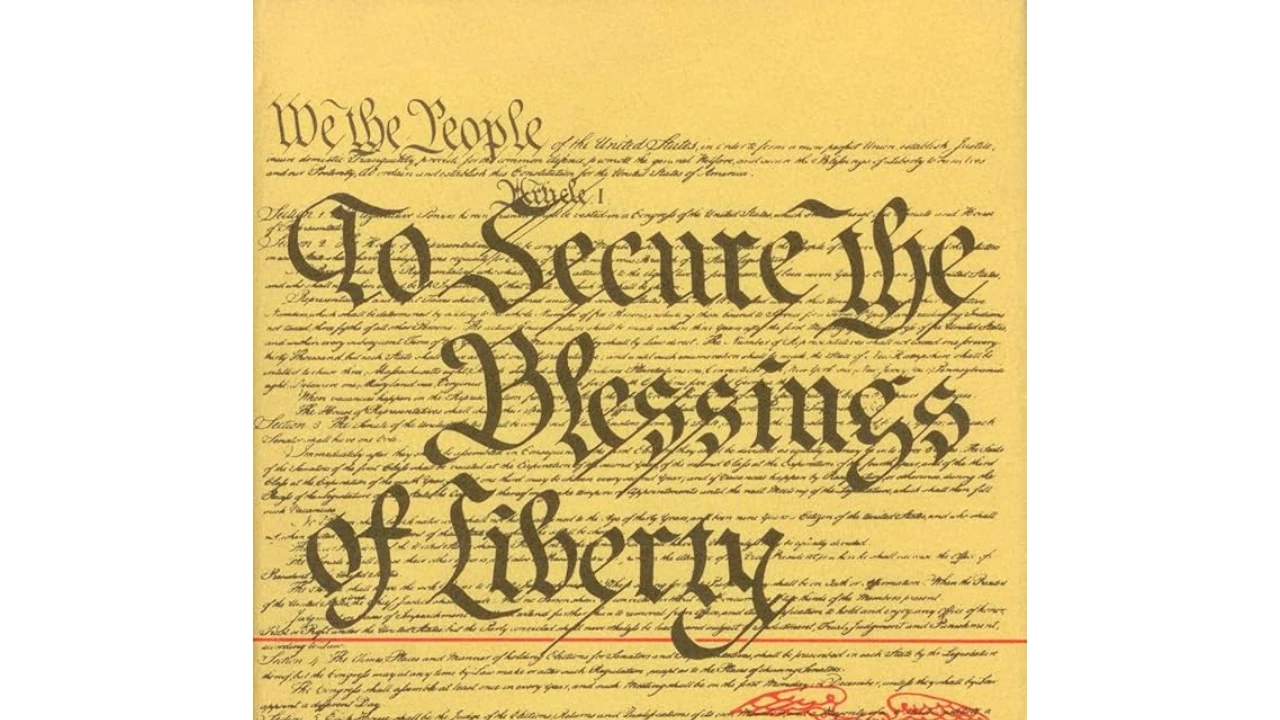
Securing the blessings of liberty is a core principle that has shaped the foundation of democratic societies. It refers to the preservation of individual freedoms and rights that are essential for a just and equitable society. This phrase is most famously known from the preamble of the United States Constitution, but its meaning extends beyond the boundaries of any single nation.
Origin of the Phrase “Secure the Blessings of Liberty”
The phrase “secure the blessings of liberty” comes from the preamble to the United States Constitution. The Founding Fathers, who were inspired by Enlightenment ideals, included this phrase to emphasize the importance of safeguarding the freedoms and rights of all individuals. It is part of a larger vision to create a society where people could live without fear of oppression and where the government was bound by laws that protected individual freedoms.
The Founding Fathers recognized that liberty, freedom, and justice were not guaranteed but must be actively protected and secured. like birthdays, where Happy Birthday Blessings Images often serve as reminders of love and joy, securing liberty serves as a celebration of the freedoms we hold dear. Just like these images are shared to uplift others, liberty must be nurtured and passed on to ensure its vibrancy for generations to come.
Why It Is Crucial to Secure the Blessings of Liberty
Securing the blessings of liberty is fundamental for ensuring that citizens can live their lives freely, make their own choices, and have the opportunity to thrive. Liberty enables individuals to express themselves, pursue their dreams, and make decisions without fear of unjust punishment. It also allows societies to prosper because when people are free, they are more likely to innovate, work together, and create positive change.
In a world where civil liberties can sometimes be under threat, it is vital to understand the role of liberty in societal progress. Governments and societies must make sure that liberty is not only recognized but actively protected by laws, institutions, and societal values.
Quotes of blessings of liberty
50 blessings of liberty that highlight the freedoms and opportunities secured by democratic systems and laws that protect individual rights:
- Social Welfare Systems – The right to support in times of need, such as unemployment or disability.
- Freedom of Speech – The ability to express one’s opinions without fear of government retaliation.
- Right to Vote – The power to participate in the democratic process and elect leaders.
- Freedom of Religion – The right to practice or not practice any religion.
- Right to Privacy – Protection from unnecessary government interference in personal matters.
- Freedom of the Press – The ability to report news and express opinions without censorship.
- Right to Fair Trial – Protection from arbitrary detention and the guarantee of a fair judicial process.
- Freedom of Assembly – The right to gather peacefully for protests, meetings, or events.
- Freedom to Petition the Government – The ability to make grievances known to the government.
- Freedom of Movement – The right to travel within one’s country and internationally.
- Equal Protection under the Law – Protection from discrimination regardless of race, gender, or other factors.
- Access to Education – The opportunity for every individual to receive an education.
- Freedom from Slavery – The abolition of forced labor and the recognition of human dignity.
- Right to Own Property – The ability to acquire and own property legally.
- Right to Work – The freedom to pursue a career and earn a living.
- Freedom of Choice – The ability to make personal decisions about one’s life and future.
- Protection of Free Speech – Safeguards against censorship by the government.
- Right to Fair Wages – The right to receive fair compensation for one’s labor.
- Gender Equality – The right for men and women to enjoy the same rights and opportunities.
- Freedom from Oppression – The right to live free from tyranny or unjust rule.
- Right to Political Participation – The freedom to engage in the political process and voice opinions.
- Access to Healthcare – The right to affordable and accessible health services.
- Freedom from Torture – The protection against cruel and unusual punishment.
- Access to Legal Representation – The ability to seek counsel and legal advice.
- Right to Family Life – The protection of family structures and personal relationships.
- Freedom of Expression in Art – The ability to express creativity without government control.
- Freedom from Arbitrary Arrest – Protection against being detained without reason.
- Right to Free and Fair Elections – The ability to participate in democratic elections without corruption.
- Religious Tolerance – Respect for diverse religious beliefs and practices.
- Freedom to Pursue Happiness – The ability to seek personal fulfillment in one’s life.
- Protection from Unjust Laws – The ability to challenge and change unfair laws.
- Freedom from Indentured Servitude – The ability to live without being forced into service or debt.
- Protection of Minority Rights – Ensuring that minorities have the same freedoms and rights as the majority.
- Right to Assemble and Protest – The ability to organize and speak out against injustices.
- Access to a Fair Judicial System – The assurance that all individuals will be treated fairly in courts.
- Environmental Protection – The right to live in a healthy environment free from harmful pollutants.
- Freedom from Censorship – The right to freely access and share information without restrictions.
- Equality of Opportunity – The ability for every individual to pursue success, regardless of background.
- Freedom of Education – The right to choose educational paths without restriction.
- The Right to Build Communities – The freedom to form relationships and build societal bonds.
- Protection from Economic Exploitation – Safeguards against unfair labor practices and exploitation.
- Cultural Freedom – The right to express one’s cultural identity and heritage.
- Right to Own and Use Technology – The ability to access and use technology freely and safely.
- Protection of Free Enterprise – The right to start and run a business without undue interference.
- Protection of Intellectual Property – The right to safeguard one’s creative works and innovations.
- Safety from Discrimination – The guarantee of protection from racial, gender, or social discrimination.
The Role of Governments in Securing the Blessings of Liberty
Governments play a critical role in securing the blessings of liberty. One of their primary responsibilities is to create a framework of laws and institutions that protect the rights of individuals while also maintaining order in society. This includes the protection of basic rights such as freedom of speech, the right to vote, and the right to practice religion.
A government that fails to secure the blessings of liberty leaves its citizens vulnerable to injustice, discrimination, and oppression. For example, in totalitarian regimes, individuals often face severe restrictions on their freedoms, and dissent is silenced. On the other hand, democratic governments must be vigilant and proactive in safeguarding the rights of their citizens.
Impact of Blessings of Liberty on Society
When liberty is secured, individuals can live without the constant fear of government overreach or societal discrimination. This encourages a more vibrant and dynamic society, where people can freely exchange ideas, innovate, and pursue personal goals. This has been evident throughout history. For instance, during the Civil Rights Movement in the United States, the fight for equality was rooted in the belief that securing the blessings of liberty meant the ability to live without racial discrimination.
Moreover, securing liberty creates an environment where justice can flourish. A free society allows individuals to seek legal recourse when their rights are violated, ensuring that justice is served. This, in turn, strengthens social trust and cohesion, as people are more likely to work together in a society where they believe their rights will be respected.
Challenges to Securing Blessings of Liberty
Though the concept of liberty is fundamental, there are several challenges to securing the blessings of liberty in modern times. In many places around the world, people still struggle to exercise their basic rights, whether due to oppressive governments, social inequality, or discrimination.
For example, in countries with authoritarian regimes, citizens may face persecution for speaking out against the government, leaving them without a voice. In some nations, restrictions on freedom of the press prevent people from accessing important information that could hold governments accountable. Just as we look forward to new beginnings and positive outlooks with Monday Blessings, we must approach the protection of liberty with a renewed sense of purpose and determination each day, striving to overcome challenges and ensure that freedoms are preserved for future generations.
How Individuals Can Contribute to Blessings of Liberty?
While governments play a significant role, individuals also have a part to play in securing the blessings of liberty. Citizens must stay informed about their rights and actively participate in their communities. Voting, speaking out against injustice, and supporting organizations that protect civil liberties are all ways individuals can contribute to maintaining and securing liberty.
Education also plays a critical role. When people understand the history of liberty and the struggles that have been fought to secure it, they are more likely to value and protect it. Teaching younger generations about the importance of liberty ensures that these values will continue to be upheld in the future.
Conclusion
In conclusion, securing the blessings of liberty is a fundamental principle that underpins the functioning of free societies. It is the responsibility of governments to create systems that protect individual freedoms and ensure justice. However, it is also up to individuals to actively participate in safeguarding these liberties by staying informed, engaged, and vigilant.
The fight to secure the blessings of liberty is ongoing, but its importance cannot be overstated. Liberty allows individuals to thrive, societies to progress, and justice to prevail. By understanding and protecting liberty, we can ensure that future generations continue to benefit from the freedoms we enjoy today.