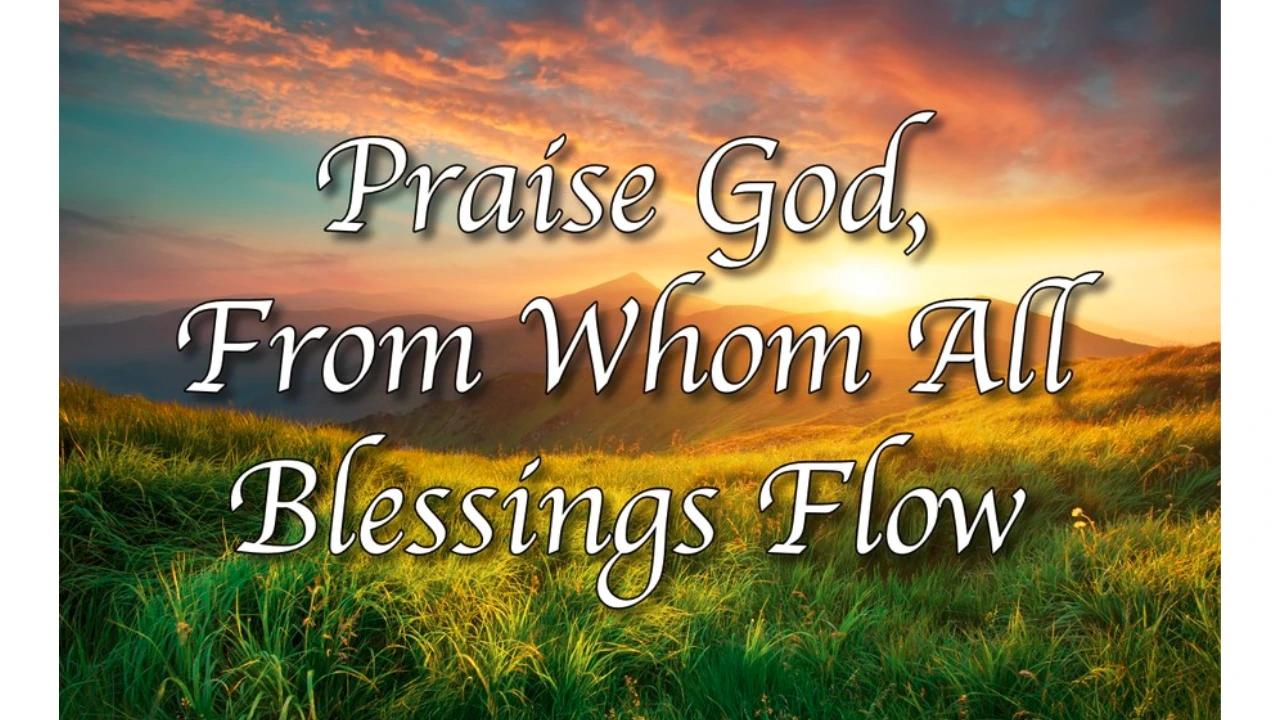
The hymn Praise God from Whom All Blessings Flow is one of the most beloved and well-known hymns in the Christian faith. Its simple yet powerful words have inspired countless individuals across the world. Rooted in gratitude and reverence, this hymn serves as a timeless reminder of God’s blessings and grace in our lives. Whether sung in churches, at home, or in personal moments of reflection, the hymn’s lyrics connect deeply with those who sing it.
The Origins of “Praise God, from Whom All Blessings Flow”
The hymn Praise God from Whom All Blessings Flow was written by Thomas Ken, an English hymn writer, in the 17th century. Ken was an Anglican bishop and theologian who played an influential role in the development of English hymnody. His desire to create a hymn that expressed a deep sense of gratitude and praise for God’s provision led him to pen these beautiful words.
The hymn was originally written as a doxology, which is a short hymn or expression of praise to God, and it was first introduced in 1674 as part of Ken’s “Morning and Evening Hymns.” It quickly gained popularity in Anglican worship services and eventually became a central part of Christian liturgy worldwide. Similar to the messages shared in Monday Blessings and Prayers, the hymn serves as a reminder of the blessings we receive each day and the importance of expressing gratitude to God.
Understanding the Meaning Behind the Hymn
At its core, Praise God from Whom All Blessings Flow is a hymn of thanksgiving. The lyrics focus on the idea that all good things in life come from God, and thus, He is worthy of our praise. The hymn encourages believers to reflect on the abundance of blessings they have received and to offer gratitude to the Creator.
The first line, “Praise God, from whom all blessings flow,” serves as an invitation for worshippers to acknowledge God’s role as the giver of every good gift. It reminds us that all we have, whether material or spiritual, flows from God’s love and grace.
Lyrics
Praise God from Whom all blessings flow
Praise Him all creatures here below
Praise Him above, you heavenly host
Praise Father, Son and Holy Ghost
Praise God from Whom all blessings flow
Praise Him all creatures here below
Praise Him above, you heavenly host
Praise Father, Son and Holy Ghost
Give glory to the Father
Give glory to the Son
Give glory to the Spirit
While endless ages run
Worthy the Lamb all heaven cries
To be exalted thus
Worthy the Lamb our hearts will cry
For He was slain for us
Praise God from Whom all blessings flow
Praise Him all creatures here below
Praise Him above, you heavenly host
Praise Father, Son and Holy Ghost
Praise God from Whom all blessings flow
Praise Him all creatures here below
Praise Him above, you heavenly host
Praise Father, Son and Holy Ghost
Give glory to the Father
Give glory to the Son
Give glory to the Spirit
While endless ages run
Worthy the Lamb all heaven cries
To be exalted thus
Worthy the Lamb our hearts will cry
For He was slain for us
Praise God from Whom all blessings flow
Praise Him all creatures here below
Praise Him above, you heavenly host
Praise Father, Son and Holy Ghost
Praise God from Whom all blessings flow
Praise Him all creatures here below
Praise Him above, you heavenly host
Praise Father, Son and Holy Ghost
Praise Father, Son and Holy Ghost
Praise Father, Son and Holy Ghost
How to Incorporate the Hymn into Personal Worship?
While “Praise God, from Whom All Blessings Flow” is often sung in corporate worship, it can also be incorporated into personal times of devotion and prayer. Reflecting on the hymn’s words can serve as a powerful reminder to take a moment each day to offer thanks to God. Whether through prayer, singing, or silent meditation, worshippers can use this hymn as a means to center their hearts on God’s blessings.
Some people find that singing or reading the hymn in the morning helps set a positive tone for the day. Others might turn to its words during challenging times, using it as a source of comfort and encouragement. Regardless of when or how it is used, “Praise God, from Whom All Blessings Flow” remains a reminder that every good thing comes from God.
Table of Contents
The Global Reach of Phrase
One of the remarkable aspects of “Praise God, from Whom All Blessings Flow” is its global reach. While it originated in the Church of England, the hymn has since spread to Christian communities around the world. Its message of thanksgiving resonates with people of diverse cultures and backgrounds, and its use in worship services is widespread.
In many Christian traditions, the hymn is sung during significant celebrations, including baptisms, weddings, and church anniversaries. Its words offer a reminder of the joyous occasion and the blessings that come with it. In these moments, the hymn serves as a reminder that God is the source of all joy and celebration, much like the reflections shared in Sunday Blessings and Prayers, which focus on gratitude and divine joy in our lives.
The Enduring Legacy of the Hymn
As we look to the future, Praise God from Whom All Blessings Flow continues to play an essential role in Christian worship and personal devotion. The hymn’s message remains just as relevant today as it was in the 17th century. It serves as a timeless reminder to give thanks to God for His love and blessings, and to recognize that everything good in life flows from Him.
Whether sung by an individual in private worship or by a congregation in a church, the hymn unites believers in a shared expression of gratitude. It reminds us that, regardless of our circumstances, God’s blessings are abundant, and we are called to offer Him praise.
Conclusion
Praise God from Whom All Blessings Flow stands as one of the most enduring hymns in the Christian tradition. Its message of thanksgiving, praise, and reflection on God’s goodness transcends time and culture. The hymn calls us to acknowledge that every blessing we receive, whether big or small, flows from the Creator.
As we sing or reflect on this hymn, we are reminded that we are not alone in our journey. God’s blessings continue to flow, and it is in our worship and gratitude that we recognize and honor His goodness. So, whether in the quiet of our hearts or in a room filled with voices raised in song, let us continue to praise God, from whom all blessings flow.