The Chuukese Bible plays a key role in connecting faith with local culture in the Pacific region. It gives people a way to understand Scripture in their native language. Many communities in Federated States of Micronesia rely on it for worship, study, and daily life.
Table of Contents
What Is the Chuukese Bible?
The Chuukese Bible is a translation of the Holy Bible into the Chuukese language. Chuukese is widely spoken in Chuuk State, where people value both tradition and faith. This translation helps readers understand God’s message without language barriers. The Bible includes the Old Testament and the New Testament. These books teach about creation, faith, love, and salvation. When people read in their own language, they connect better with the message. Similar to the artistic approach of the Alabaster Bible, this makes the Chuukese an important spiritual tool.
Originof the Chuukese Translation
Missionaries started translating the Bible into Chuukese many years ago. They worked with local speakers to ensure accuracy and clarity. Translation took time because they had to match meanings, not just words. Organizations like Wycliffe Bible Translators supported these efforts. They helped bring Scripture to many languages around the world. The Chuukese translation is one example of their mission. Early versions focused on the New Testament. Later, translators completed more books. Today, the full Chuukese Bible is available in different formats.
Why the Chuukese Is Important?
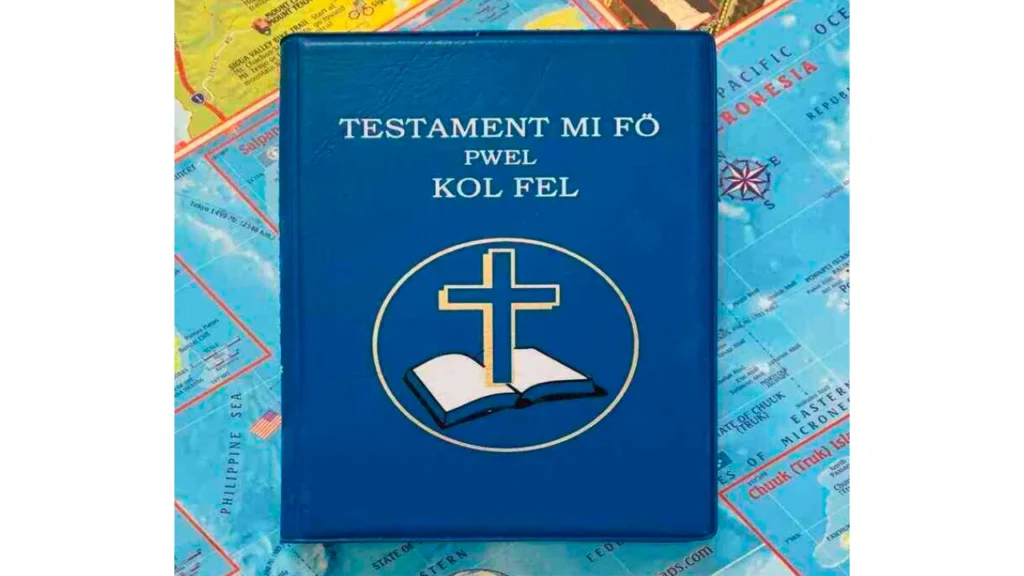
The Chuukese Bible is important for both religious and cultural reasons. It keeps the language alive while spreading spiritual teachings.
| Reason | Explanation |
|---|---|
| Language Preservation | It protects the Chuukese language for future generations |
| Better Understanding | People understand Scripture more clearly in their native tongue |
| Cultural Identity | It connects faith with local traditions |
| Spiritual Growth | It helps believers grow in their faith daily |
When people read in their own language, they feel more connected. This improves both learning and faith.
Structure of the Chuukese Bible
The structure of the Bible follows the same pattern as other Christian Bibles. It includes two main parts.
Old Testament
The Old Testament tells the story of creation and early history. It includes laws, stories, and teachings. Books like Genesis and Psalms are part of this section.
New Testament
The New Testament focuses on the life and teachings of Jesus Christ. It also includes letters from apostles. These teachings guide Christians in their daily lives. Both sections together form the complete Bible. This structure helps readers understand the full message of Christianity.
Language and Translation Style
The translation uses simple and clear Chuukese words. Translators made sure the meaning stayed true to the original text. They avoided complex terms so readers could understand easily. The goal was not just translation but communication. The Chuukese reflects local speech patterns. This makes reading smooth and natural.
How People Use the Chuukese?
People use the Bible in many ways in daily life. It is not only for church services but also for personal study. In churches, leaders read from it during sermons. Families use it during prayer time. Students use it to learn both language and faith. Many people also use digital apps like Bible.is to access it. These tools make it easier to read or listen anytime.
Printed vs Digital Versions
| Format | Features | Benefits |
|---|---|---|
| Printed Bible | Physical book | Easy to use without technology |
| Audio Bible | Spoken version | Helps those who cannot read |
| Mobile Apps | Digital text and audio | Access anywhere anytime |
Both formats help spread the teachings of the Chuukese Bible. People choose based on their needs and lifestyle.
Challenges in Translation
Translating the Bible into Chuukese was not easy. Translators faced many challenges during the process. Some words in the original Bible had no direct meaning in Chuukese. Translators had to explain ideas using simple language. They also had to respect cultural differences. Despite these challenges, the final Bible remains accurate and meaningful. It reflects both faith and culture.
Role in Education and Community
The Chuukese also plays a role in education. Schools and churches use it to teach reading and values. Children learn language skills while reading Scripture. This improves both literacy and understanding. Communities also gather to study the Bible together. This shared learning builds unity and strengthens relationships. The Bible becomes more than a book. It becomes a guide for life.
| Feature | Chuukese Bible | English Bible |
|---|---|---|
| Language | Chuukese | English |
| Audience | Local speakers | Global audience |
| Style | Simple and cultural | Varies by version |
| Accessibility | Limited but growing | Widely available |
The Chuukese focuses on local understanding. The English Bible serves a broader audience. Both share the same message but differ in language and style.
Modern Access and Availability
Today, the Chuukese Bible is easier to access than before. Technology has improved availability. People can find it online, in apps, or through churches. Audio versions help those who prefer listening. This makes Scripture more inclusive. Digital tools continue to expand access. This ensures that future generations can use the Bible easily.
Conclusion
The Chuukese Bible is more than a translation. It is a bridge between faith and culture. It helps people understand God’s word in a personal way. Its history shows dedication and teamwork. Its use today shows its lasting value. As access grows, more people can benefit from it. In simple terms, the Chuukese supports language, faith, and community. It remains an important part of life for many people in Micronesia.