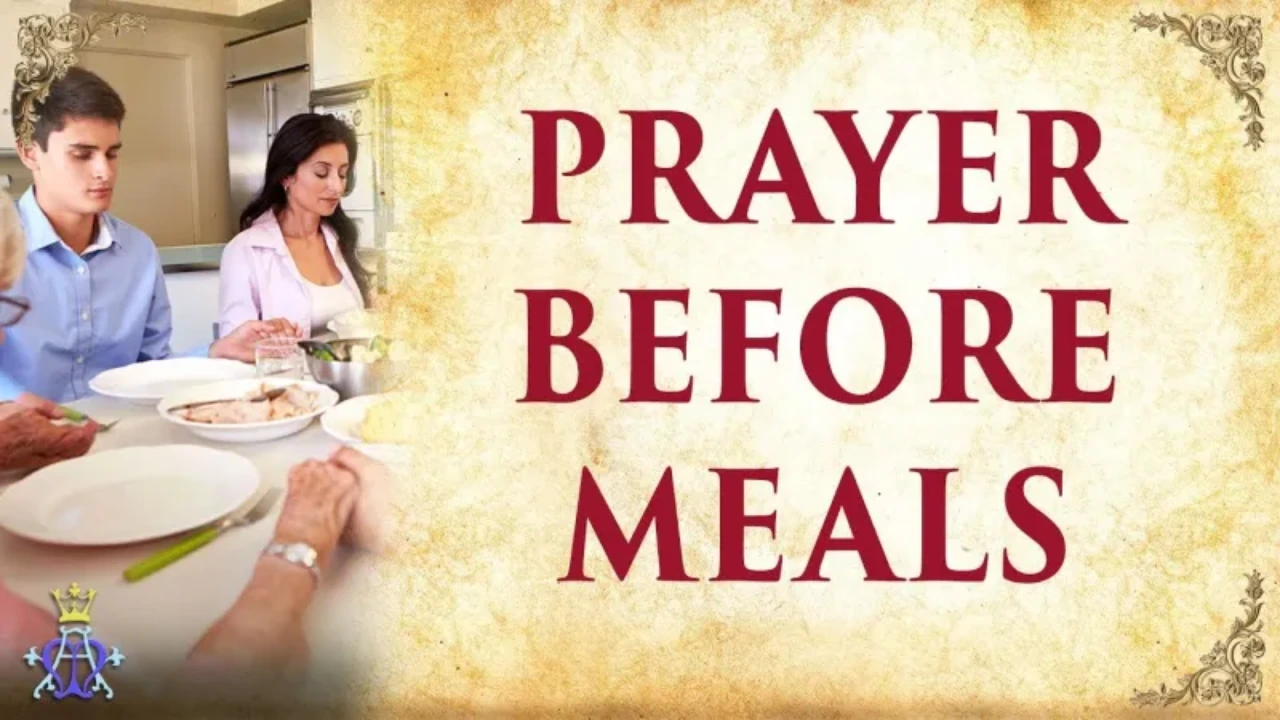
The catholic blessing before meals is a beautiful tradition that brings families together in faith and gratitude. Just as many people check store hours before visiting, Catholics prepare their hearts before eating by thanking God for daily blessings. This simple prayer reminds believers that every meal is a gift from God and not something to take for granted. The practice has existed for centuries and continues in homes, churches, and Catholic schools around the world. Many families pass this tradition from one generation to another because it builds spiritual discipline and unity at the table.
Table of Contents
What Is Catholic Blessing Before Meals?
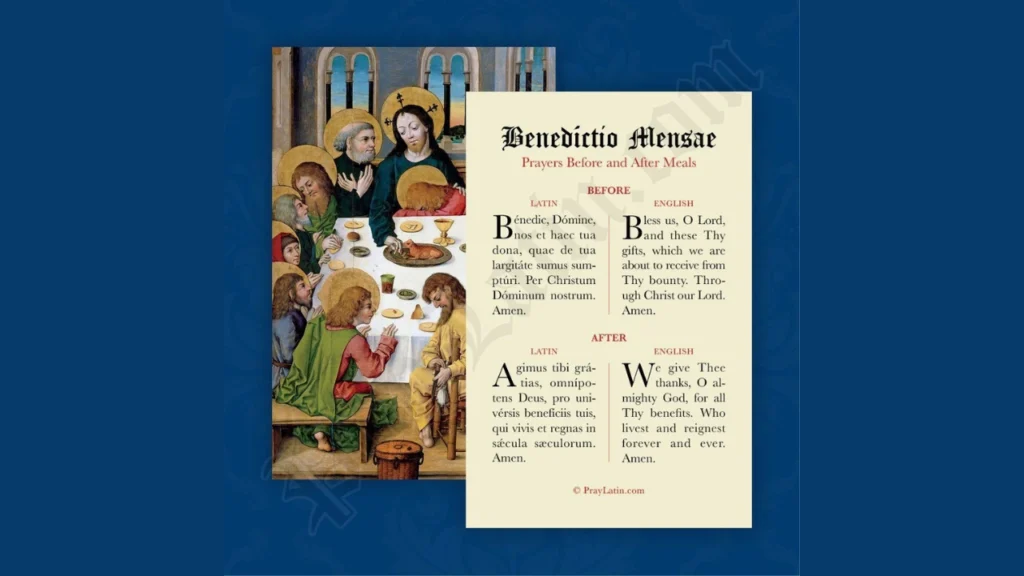
The catholic blessing before meals is a short prayer said before eating food. Catholics pause for a moment to thank God for His generosity and ask Him to bless the food they are about to receive. This prayer is often called “saying grace” and reflects humility and gratitude. It reminds believers that they are blessed to be a blessing, receiving God’s gifts so they can share kindness with others. It teaches both children and adults that food comes from God’s loving care. The most common prayer used in the Roman Catholic Church is simple yet powerful. It expresses trust in Jesus Christ and acknowledges God’s bounty.
| Prayer Title | Traditional Text |
|---|---|
| Blessing Before Meals | Bless us, O Lord, and these Thy gifts, which we are about to receive from Thy bounty, through Christ our Lord. Amen. |
This prayer appears in many Catholic prayer books and catechism guides. Families often memorize it during childhood and continue using it throughout their lives.
Biblical Foundation of Catholic Blessing
The tradition of the catholic blessing comes directly from the Bible. Jesus Himself gave thanks before breaking bread. In the Gospel accounts of the feeding of the five thousand, Christ looked up to heaven and blessed the loaves before distributing them. This act shows believers that gratitude should come before receiving nourishment. Saint Paul also encouraged Christians to give thanks in all circumstances. The Bible teaches that every good gift comes from God. When Catholics pray before meals, they follow Christ’s example and honor the scriptural command to be thankful.
| Scripture Reference | Meaning |
|---|---|
| Matthew 14:19 | Jesus blessed the bread before feeding the crowd |
| 1 Thessalonians 5:18 | Give thanks in all circumstances |
| James 1:17 | Every good gift comes from God |
These verses help explain why the catholic blessing before meals remains important in modern Christian life.
Historical Background of the Catholic Blessing
Early Christians adopted the habit of praying before eating. The first believers gathered in homes and shared meals while giving thanks to God. Church historians note that meal blessings were common in the early centuries of Christianity. Over time, the Church developed formal prayers that became part of Catholic tradition. Monasteries played a major role in preserving these customs. Monks prayed together before and after every meal, asking God to bless their food and strengthen their service. This disciplined routine shaped Catholic spirituality.
| Period | Practice |
|---|---|
| Early Church | Informal thanksgiving prayers before shared meals |
| Medieval Era | Formal Latin prayers in monasteries |
| Modern Church | Simple translated versions used in families |
The continuity of the catholic blessing shows how faith traditions survive across centuries.
Spiritual Meaning of Catholic Blessing
The catholic blessing before meals teaches humility, gratitude, and dependence on God. When believers pause before eating, they recognize that human effort alone does not produce food. Farmers, workers, and families contribute, but God provides growth and sustains life. This short prayer also creates a sacred moment in daily routine. Even busy families can stop for ten seconds and reconnect with faith. Children learn respect for food and appreciation for those who prepared it. Adults remember that life itself is a blessing. Praying before meals also strengthens family bonds.
Catholic Blessing in Different Settings
Families use the catholic blessing at home, but the prayer also appears in schools, parishes, and community gatherings. Catholic schools often lead students in the traditional grace before lunch. Parish events and church picnics begin with the same prayer. During holidays like Christmas and Easter, families may add special intentions. Some include prayers for the poor or those who lack food. These additions encourage generosity and compassion.
| Occasion | Variation |
|---|---|
| Family Dinner | Traditional short blessing |
| Holiday Feast | Prayer with added thanksgiving |
| School Lunch | Group recitation led by teacher |
| Church Event | Priest or leader offers blessing |
Although words may vary slightly, the message of gratitude remains central.
Blessing After Meals in Catholic Tradition
Many Catholics also pray after finishing their food. The after-meal prayer thanks God for nourishment and asks for continued guidance. This habit reflects discipline and spiritual awareness. The traditional prayer after meals reads:
“We give Thee thanks for all Thy benefits, Almighty God, who livest and reignest world without end. Amen.” This second prayer completes the moment of thanksgiving. It reminds believers that gratitude should continue even after receiving blessings.
| Prayer Purpose | Meaning |
|---|---|
| Give Thanks | Appreciation for nourishment |
| Ask Guidance | Seek strength for daily life |
| Express Faith | Acknowledge God’s eternal reign |
The combination of prayers before and after meals shows a balanced spiritual practice.
Why Catholic Blessing Matters Today?
In a fast-paced world, many people eat quickly without reflection. The catholic blessing encourages mindfulness and spiritual awareness. It slows down the moment and invites gratitude. Studies in psychology suggest that gratitude improves mental health and strengthens relationships. Although the prayer is religious, it also promotes emotional well-being. Families who practice daily gratitude often report stronger bonds and positive attitudes.
How to Teach Children the Catholic Blessing?
Parents and teachers introduce the prayer in simple ways. Children learn best through repetition and example. When adults model sincere prayer, young minds follow naturally. Parents can explain that food is a gift from God and many people work hard to provide it. They can also encourage children to add personal thank-you messages after the main prayer. This makes the practice meaningful rather than mechanical.
| Step | Explanation |
|---|---|
| Model the Prayer | Adults pray sincerely before eating |
| Explain the Meaning | Teach gratitude and faith |
| Encourage Participation | Let children lead occasionally |
| Practice Daily | Build a strong habit |
Through these steps, families keep the catholic blessing before meals alive across generations.
Common Questions About Catholic Blessing
Many people ask whether the prayer must follow exact wording. The Church encourages traditional wording but allows flexibility. The heart of the prayer matters more than memorized phrases. Some also wonder if non-Catholics can use the prayer. Anyone may offer thanks to God before eating. The message of gratitude crosses denominational lines. Others ask whether the blessing must be led by a priest. In Catholic homes, any family member may lead. Parents often invite children to lead the prayer to build confidence.
Conclusion
The catholic blessing before meals remains one of the simplest yet most meaningful Catholic traditions. It connects believers to Scripture, Church history, and daily gratitude. This small prayer creates a sacred pause before eating and reminds families of God’s loving care. By practicing this tradition, Catholics honor Jesus’ example and strengthen their faith. The prayer requires only a few seconds, but its spiritual impact lasts a lifetime. In homes, schools, and churches worldwide, the catholic blessing before meals continues to unite hearts in thanksgiving and devotion.