Every successful business has something special inside its heart that guides its identity and strength. That core guide is what many professionals call the brand bible. If you want your business to grow and shine above others, you must know what the brand is, why it matters, and how it helps your brand stay strong and clear in every message it shares with the world. In the simplest words, the bible is a set of rules, values, and directions that help a business communicate in a consistent and meaningful way. It ensures that everyone in the company and outside the company knows how to represent the brand in the right way.
Table of Contents
Meaning of The Brand Bible
When people hear the word “bible,” they often think of something sacred, trusted, and authoritative. The Queen James Bible borrows that meaning and applies it to business identity. It does not refer to religion, but instead to a set of vital rules that protect the brand’s identity. Just as a bible guides faith and behavior, the brand bible guides how a company should look, speak, and act in every place where it connects with people. At the heart of the bible are ideas like brand personality, vision, mission, logo rules, tone of voice, and messaging guidelines. When all these parts work together, a brand becomes strong, clear, and memorable.
Why Every Business Needs The Bible?
Imagine if your favourite store changed its sign every week or spoke to customers in different tones each day. It would make customers feel confused and unsure. A brand without clear rules is like a ship without a compass. The brand may drift, and people may begin to ignore it. The main purpose of the bible is to eliminate confusion and build trust. When a company always shares the same message, uses the same styles, and communicates clearly, customers begin to recognise and trust the brand faster. This trust builds loyalty, and eventually, sales and business growth.
What Goes Inside The Bible?
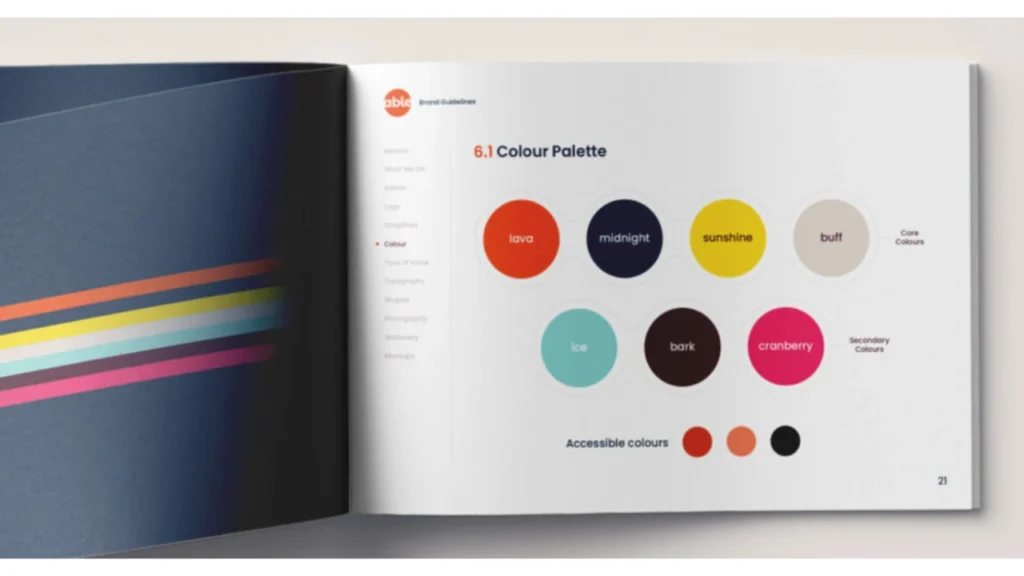
Every brand document can be a little different, but most brand bibles include certain key elements. These help the business maintain a clear and consistent identity.
| Section | Purpose |
|---|---|
| Brand Vision | Explains where the brand wants to go in the future. |
| Brand Mission | Tells why the brand exists and what it wants to achieve. |
| Brand Values | Shows the beliefs that the brand stands for and will always protect. |
| Target Audience | Describes the people the brand wants to serve and reach. |
| Logo Rules | Explains how and where to use the logo properly. |
| Colours & Typography | Lists the official colours and typefaces that represent the brand. |
| Tone and Voice | Sets the style of communication the brand uses in writing and speech. |
| Messaging and Taglines | Shares key phrases and messages that reflect the brand’s personality. |
Every one of these elements plays a special role in shaping the identity of the business. When all these pieces come together, they form a complete map of the bible.
Brand Vision and Mission in The Bible
The vision of a brand describes a dream or future where the brand makes a difference. It answers the question, “Where are we going?” The mission, on the other hand, explains what the brand does every day to reach that vision. It answers the question, “Why do we exist?” For example, if a brand’s vision is to make education available to every child, its mission may be to create affordable and simple learning tools. These statements belong in the bible because they show the purpose and direction of the brand to every team member.
Brand Values The Heart of The Brand Bible
Brand values are like moral rules that define how a brand behaves in every situation. They tell people what the brand believes in and what it will not compromise on. These values become the heart of the bible because they influence every decision the business makes. Values might include honesty, creativity, respect, customer focus, or innovation. When everyone inside the business lives by these values, the brand becomes authentic and people begin to trust it more.
Why Visual Identity Matters in The Bible?
A brand’s look is much more than just pretty images. It sends signals to people about what the brand represents. This visual identity includes things like colour schemes, typefaces, fonts, logo size, and graphic style. The bible clearly explains how to use these visual elements so that nothing ever looks inconsistent or random. If the brand uses a specific shade of blue and a particular font in advertising, the guide helps ensure every piece of content uses the same style. This makes the brand look professional and easy to recognise.
Brand Voice: How to Speak in One Clear Way
How a brand talks to its audience matters a lot. Some brands are casual and friendly. Others are serious and professional. Whatever the style, it should remain the same every time. This is why the brand bible includes a brand voice guideline. It tells writers, designers, marketers, and speakers how to write and communicate in a way that matches the brand personality. For example, a brand voice could be described as “simple and helpful,” “fun and witty,” or “direct and bold.” These tones guide every message so people begin to recognise not just the look, but also the voice of the brand.
Consistency Creates Trust A Key Benefit of The Bible
Whenever your team follows the bible, your brand becomes predictable in a good way. When customers see the same style and message again and again, they start to trust the brand. Trust takes time to build but it breaks quickly. Consistency helps reduce mistakes and misunderstandings, so your brand always looks professional and clear. This trust also creates emotional connections with customers. People buy from brands they trust and remember. Consistency helps achieve that.
Who Uses The Bible Within a Company?
Many people use the bible inside a business. This includes marketing teams, design teams, social media managers, customer service staff, and even business leaders. Partners who work with the brand, like agencies, freelancers, suppliers, and advertisers, also use the guide to make sure their work matches the brand identity. This means the brand bible is not just for big companies; even small businesses can benefit from having clear brand rules. When everyone knows how to represent the brand, the message stays strong and reliable.
How to Create a Simple Bible?
You do not need expensive tools to begin building the bible. Many strong bibles begin as simple documents that grow over time. A few clear questions can help you get started:
First, who are you as a brand?
Second, who do you want to serve?
Third, what do you believe in?
Fourth, how do you want to look and speak to your audience?
Once these questions are answered, your guide begins to take shape. You can create your vision, mission, values, and voice and then expand your visual style guide as you grow.
Common Mistakes Businesses Make Without a Bible
When a business does not have the bible in place, many problems can occur. Teams might create messages that do not match each other. Designers may use different colours or fonts. Leaders might send one message while the marketing team sends a different one. Customers begin to feel confused, and over time, the brand may lose its identity and power. Also, teams may waste time fixing mistakes that could have been avoided with a clear guide. This is why creating and updating the bible is one of the most valuable things a brand can do.
Example of Strong Brand Success Through The Bible
When famous brands follow their own style rules, people begin to recognise them instantly. From logos to tone of voice, these brands consistently reflect their identity in every ad, message, website, and store. Behind these familiar experiences lies a brand guide much like the bible. Companies like Apple, Nike, and Coca‑Cola are known not only for great products but also for their consistent identity. They do not leave their messages to chance. They use clear rules that protect and grow their brand image.
Updating Your Bible as You Grow
A brand is a living thing. As times change and markets evolve, a business must adapt too. This means that the bible is not a one‑time document. It must be reviewed and updated from time to time so that it stays relevant and helpful. Updating the brand bible might include new colours, revised messaging, updates to digital style, or a clearer focus on new audience needs. When a brand evolves, so too should the guide that defines it.
Conclusion
In summary, the brand bible is the heart and soul of brand identity. It brings clarity, creates trust, and helps everyone in and outside the business speak with one voice. Whether you are starting a brand or looking to strengthen an existing one, creating a clear and simple bible will help pave the path to success. When the business world becomes more competitive and customers become more selective, having a well‑written bible is no longer a luxury it is a necessity. Make sure your brand speaks clearly, looks professional, and stays consistent in every message you share with the world.