How Many Pages Are in the Bible? Sacred Book For Christians
How many pages are in the bible because it is one of the most important books in history. The Bible guides millions of people in their faith, values, and daily life decisions. Readers often want to know its size before starting to read or study it. The answer is not always simple because the page count changes based on the edition and format. When someone asks how many pages are in the bible, the answer usually ranges between 1,200 and 1,500 pages in a standard printed Bible. Some editions contain more pages if they include study notes, maps, and explanations.
Table of Contents
What Is the Bible and Why Is It Important?
The Bible is a sacred book for Christians and one of the most widely read texts in the world. It contains teachings, history, poetry, prophecy, and spiritual guidance that believers follow. The Bible tells the story of God’s relationship with humanity from the beginning of creation to the early Christian church. Many people who search how many pages are in the bible are also curious about its structure. Tools like bible verses for athletes help readers quickly locate books and chapters, making Bible study easier for beginners and experienced readers. The Bible is not a single book written at one time. Instead, it is a collection of many smaller books written over thousands of years.
| Category | Details |
|---|---|
| Type of Book | Sacred religious text |
| Religion | Christianity |
| Languages Originally Written | Hebrew, Aramaic, Greek |
| Total Books (Protestant Bible) | 66 |
| Total Chapters | 1,189 |
| Total Verses | Over 31,000 |
| Estimated Average Pages | 1,200–1,500 |
How Many Pages Are in Bible on Average?
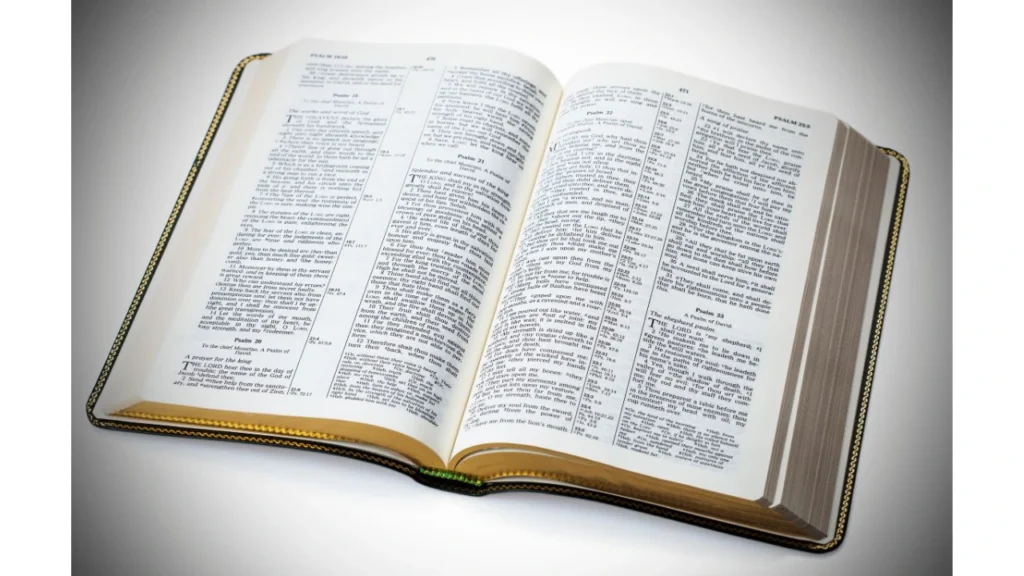
The most direct answer to how many pages are in the bible depends on the version and printing style. However, most modern Bibles fall within a predictable page range. Standard editions typically contain around 1,200 to 1,500 pages. Some Bibles include extra material such as commentary, maps, references, and study guides. These additions increase the total number of pages. Study Bibles often reach 1,800 to 2,200 pages because they explain the meaning of verses in detail. Compact Bibles use smaller fonts and thinner paper to reduce the page count. Large print Bibles use bigger text for easier reading, which increases the number of pages.
| Bible Type | Average Page Count |
|---|---|
| Standard Bible | 1,200 – 1,500 |
| Study Bible | 1,800 – 2,200 |
| Compact Bible | 1,000 – 1,200 |
| Large Print Bible | 1,500 – 1,800 |
| Children’s Bible | 200 – 500 |
These differences explain why the answer to how many pages are in bible may vary from one book to another.
Structure of the Bible: Old and New Testament
To understand how many pages are in the bible, it helps to understand how the Bible is organized. The Bible is divided into two main sections called the Old Testament and the New Testament. Each section contains several books with different purposes and writing styles. The Old Testament focuses on the early history of humanity, the creation story, and the relationship between God and the people of Israel. It also includes poetry, wisdom literature, and prophecy. The New Testament focuses on the life and teachings of Jesus Christ and the development of the early Christian church. It includes the four Gospels, letters from apostles, and prophetic writings.
| Section | Number of Books | Key Focus |
|---|---|---|
| Old Testament | 39 | Creation, history of Israel, prophecy |
| New Testament | 27 | Life of Jesus and early church |
| Total Books | 66 | Complete Bible |
Because each book has a different length, the total number of pages in the Bible can vary. That is why many readers search online for how many pages are in the bible before beginning a full reading plan.
Chapters and Verses in the Bible
Another way to understand the length of the Bible is to look at its chapters and verses. The Bible contains 1,189 chapters and more than 31,000 verses. These divisions help readers find passages quickly during study or worship. The Old Testament contains the majority of chapters because it includes many historical books and long prophetic writings. The New Testament contains fewer chapters but remains essential for Christian teaching.
| Section | Chapters | Approximate Verses |
|---|---|---|
| Old Testament | 929 | Around 23,000 |
| New Testament | 260 | Around 7,900 |
| Total | 1,189 | Over 31,000 |
When people ask how many pages are in the bible, they often want to understand how much content they will read. Looking at chapters and verses gives a clearer picture of the Bible’s true length.
Why Bible Page Numbers Are Different?
Many readers feel confused when they discover that different Bibles contain different page counts. The reason is simple. Page numbers depend on the design choices made by the publisher. Several factors influence the total number of pages. Font size changes how much text fits on a single page. Paper thickness also plays a role because thin Bible paper allows more pages in a smaller book. Additional features also increase page counts. Some Bibles include cross references, study notes, maps, and historical explanations.
| Factor | Effect on Page Count |
|---|---|
| Font size | Larger text increases pages |
| Paper thickness | Thicker paper increases book size |
| Study notes | Adds hundreds of pages |
| Maps and charts | Adds extra pages |
| Translation format | May change text spacing |
Because of these differences, the question how many pages are in the bible cannot have one exact number for every edition.
Popular Bible Translations and Their Length
Different translations also influence the number of pages in the Bible. The message and meaning remain the same, but translators use different wording and formatting. These changes can affect the page count. Some translations use modern language for easier reading. Others stay closer to the original wording of ancient manuscripts.
| Translation | Style | Common Use |
|---|---|---|
| King James Version (KJV) | Traditional language | Church reading |
| New International Version (NIV) | Modern language | Personal study |
| English Standard Version (ESV) | Balanced translation | Study and teaching |
| New Living Translation (NLT) | Simple wording | Easy reading |
Each translation may have slightly different page numbers. However, the core message of the Bible remains the same across all versions.
How Long It Takes to Read the Entire Bible?
People who search how many pages are in bible often want to know how long it takes to read the entire book. Reading speed varies, but many readers complete the Bible within a year by following a daily reading plan. If someone reads about three to four pages each day, they can finish the entire Bible in about twelve months. Many churches encourage a one year Bible reading plan that divides the chapters into daily sections.
| Daily Reading | Time Needed | Completion Time |
|---|---|---|
| 3 pages per day | 10–15 minutes | About 1 year |
| 5 pages per day | 15–20 minutes | About 8 months |
| 10 pages per day | 25–30 minutes | About 4 months |
Understanding how many pages are in the bible helps readers plan their reading journey more effectively.
The Bible as the Most Printed Book in History
The Bible is not only a religious text. It is also the most printed and distributed book in human history. Scholars estimate that more than five billion copies have been printed worldwide. The Bible has been translated into thousands of languages so people around the world can read it in their native language. This global reach explains why the Bible continues to influence culture, law, and education across many societies. Even though many people still ask how many pages are in the bible, the real importance of the Bible lies in its message. Its teachings about faith, love, justice, and forgiveness continue to inspire readers across generations.
Conclusion
The question how many pages are in the bible does not have one exact answer because different editions use different layouts and features. However, most standard Bibles contain around 1,200 to 1,500 pages. Study Bibles may contain more pages due to additional notes and explanations. The Bible itself contains 66 books, 1,189 chapters, and more than 31,000 verses. These writings cover history, poetry, prophecy, and spiritual guidance that believers value deeply. Understanding the structure of the Bible helps readers appreciate its length and organization.