80+ Best Caption For Irish Blessing May the Road
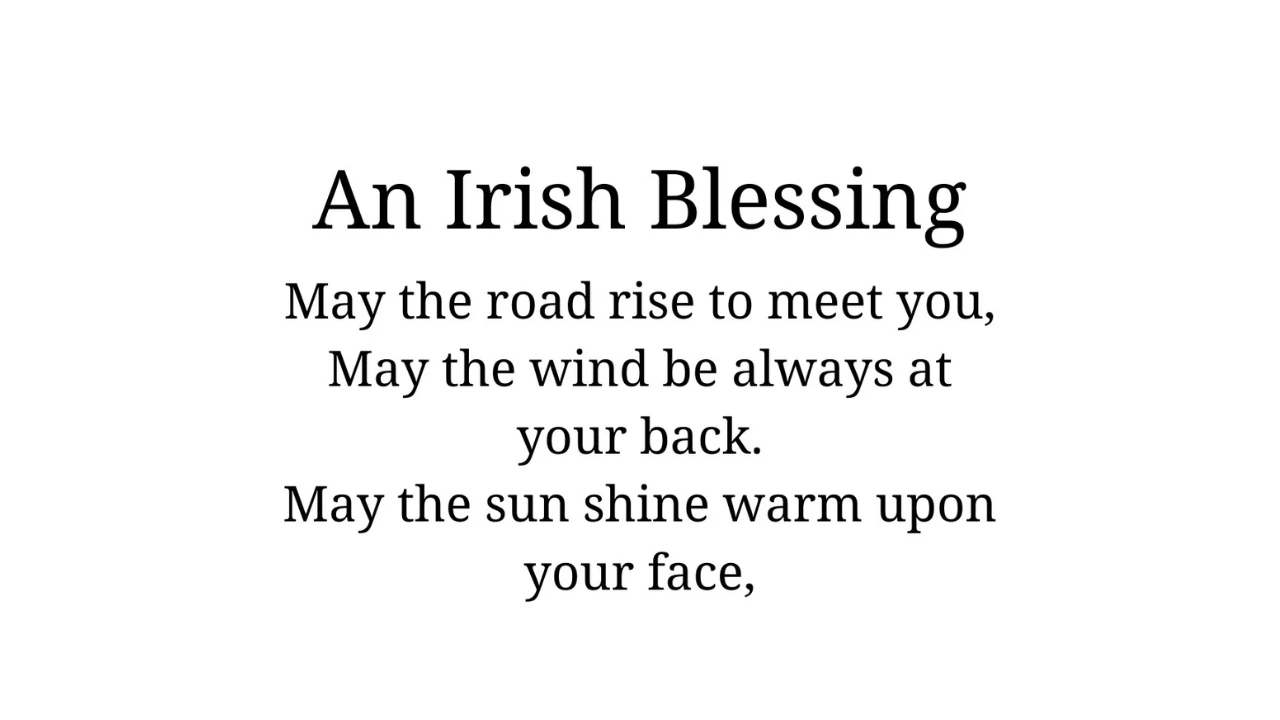
The irish blessing may the road remains one of the most loved traditional prayers in Irish culture. People recite it at weddings, funerals, graduations, and family gatherings across the world. This short yet powerful blessing carries deep meaning about protection, hope, and safe journeys. Many people search for the irish blessing because they want to understand its message and origin. The blessing uses simple nature images like wind, sun, rain, and roads to express heartfelt wishes. These natural elements connect human life to faith and everyday experience.
Table of Contents
What Is the Irish Blessing May the Road?
The irish blessing begins with the famous line, “May the road rise up to meet you.” The full traditional version reads: “May the road rise up to meet you. May the wind be always at your back. May the sun shine warm upon your face. The rains fall soft upon your fields. People often share it as a farewell blessing because it offers comfort and safety. In modern culture, blessings and spiritual themes also appear in popular media such as heaven official’s blessing season 2, where hope, destiny, and protection shape the story’s emotional depth. The phrase “may the road rise up to meet you” suggests that life’s path becomes smooth and supportive.
Historical Background and Cultural Roots
Irish oral tradition shaped many blessings before written records preserved them. The irish blessing likely developed through spoken word in rural Ireland. Families passed blessings down from one generation to another. Ireland has a long history of storytelling and prayer poetry. Celtic culture blended nature symbols with Christian faith after Christianity spread across Ireland in the fifth century. Saint Patrick and early missionaries influenced Irish religious language.
| Cultural Element | Influence on the Blessing | Meaning in Context |
|---|---|---|
| Celtic Tradition | Use of nature imagery | Connection between humans and nature |
| Christian Faith | Reference to God’s protection | Trust in divine care |
| Rural Irish Life | Mention of fields and rain | Dependence on land and weather |
| Oral Storytelling | Simple and memorable lines | Easy to pass through generations |
This mix of influences explains why the irish blessing may the road remains powerful today.
Meaning Behind Each Line of the Blessing
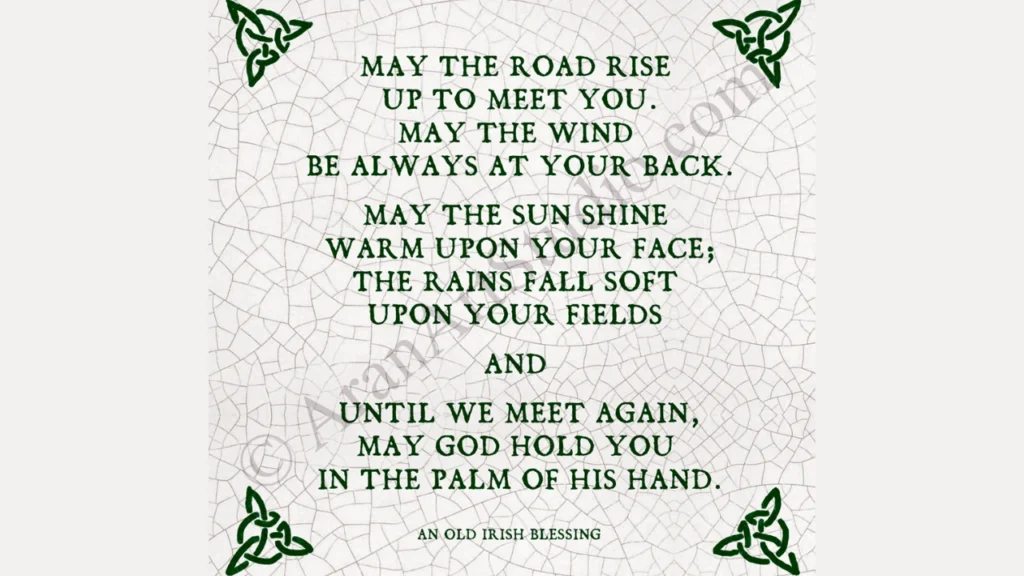
Each line of the blessing carries symbolic meaning. Understanding these meanings helps readers appreciate its depth. The first line asks that the road rise up to meet the traveler. This line symbolizes support and opportunity. The second line asks for wind at your back. Wind moving behind someone helps them walk forward with less effort. This image represents encouragement and unseen support. The third line speaks of sunshine warming the face. Sunlight often symbolizes joy and hope. Warmth suggests comfort and happiness. The next line asks for gentle rain on the fields.
| Line from Blessing | Symbolic Meaning | Life Message |
|---|---|---|
| Road rise to meet you | Smooth life journey | Opportunity and guidance |
| Wind at your back | Support and strength | Encouragement |
| Sun shine warm | Joy and comfort | Happiness |
| Rains fall soft | Growth and abundance | Prosperity |
| God hold you | Protection | Faith and security |
These symbols explain why the irish blessing may the road feels comforting and hopeful.
Why the Irish Blessing Remains Popular Today?
The irish blessing continues to appear in greeting cards, speeches, and church services. People value it because it uses simple words that carry deep meaning. The blessing speaks about universal themes like travel, protection, happiness, and faith. These themes remain relevant in modern life. Even people without Irish ancestry use this blessing in special moments. Weddings often include this blessing because it wishes couples a smooth journey together. Funeral services include it because it offers comfort to grieving families. Graduation ceremonies use it because it encourages new beginnings.
Religious and Spiritual Significance
Christian faith strongly influences the irish blessing may the road. The final line clearly mentions God’s protective hand. Many Irish prayers emphasize God’s closeness and guidance. The blessing does not use complex theology. Instead, it expresses faith through everyday images. This approach reflects how Irish spirituality values practical faith. Celtic Christianity often described God as present in nature. Early Irish monks wrote prayers about wind, sea, sun, and land. These natural references helped people see God in daily life.
| Spiritual Theme | Expression in Blessing | Practical Meaning |
|---|---|---|
| Divine Care | God holding you | Personal protection |
| Providence | Road rising | Guidance |
| Grace | Soft rain | Gentle blessings |
| Hope | Warm sunshine | Positive future |
These themes show that the irish blessing offers both emotional and spiritual reassurance.
Linguistic Simplicity and NLP Relevance
The irish blessing uses simple and clear vocabulary. Its structure follows natural speech patterns. Modern NLP analysis shows that simple language increases readability and emotional impact. The blessing uses short phrases and active voice. Words like road, wind, sun, rain, and hand appear frequently in everyday language. These familiar terms make the message easy to remember. Search engines also favor content that uses natural language. The blessing fits modern search patterns because people often type the first line directly into Google.
Use in Literature and Popular Culture
Writers, musicians, and speakers have quoted the irish blessing may the road in books and films. Irish diaspora communities carried the blessing to America, Canada, and Australia. Irish immigrants often used blessings to keep cultural identity alive. Today, you can find the blessing printed on home décor, posters, and artwork. Schools sometimes teach it during lessons on Irish heritage. Cultural festivals celebrate it during Saint Patrick’s Day events. Churches include it in prayer books. Its widespread use shows that it transcends borders and generations.
Modern Interpretations and Variations
Some modern versions adjust the final line to make it more universal. For example, some people replace “God” with “love” or “peace.” These changes aim to include people from different faith backgrounds. However, the traditional version remains the most recognized. The blessing also appears in Irish Gaelic in some contexts. Translators carefully preserve its poetic rhythm. Even when translated, the core meaning remains the same. The irish blessing may the road keeps its focus on safe travel and spiritual care.
Psychological Impact of the Blessing
Positive affirmations influence emotional well-being. The irish blessing works like a gentle affirmation. It encourages hope and resilience. Hearing kind wishes can reduce anxiety during stressful times. The blessing also strengthens community bonds. When someone shares it, they express care and goodwill. Psychologists explain that symbolic language improves emotional processing. Images of warmth and support create feelings of safety. The blessing uses these images effectively. Its repeated use builds familiarity and comfort.
Conclusion
The irish blessing may the road remains a timeless expression of hope and faith. It blends Celtic nature imagery with Christian belief in a simple yet powerful prayer. Each line carries symbolic meaning about guidance, joy, growth, and protection. Its historical roots connect to rural Ireland and oral tradition. Its message speaks to modern readers facing new journeys and life changes. The blessing uses clear language that children and adults can understand. It offers emotional comfort and spiritual reassurance in every stage of life.