80+ Best Caption For Shabbat Blessings Place in Jewish life
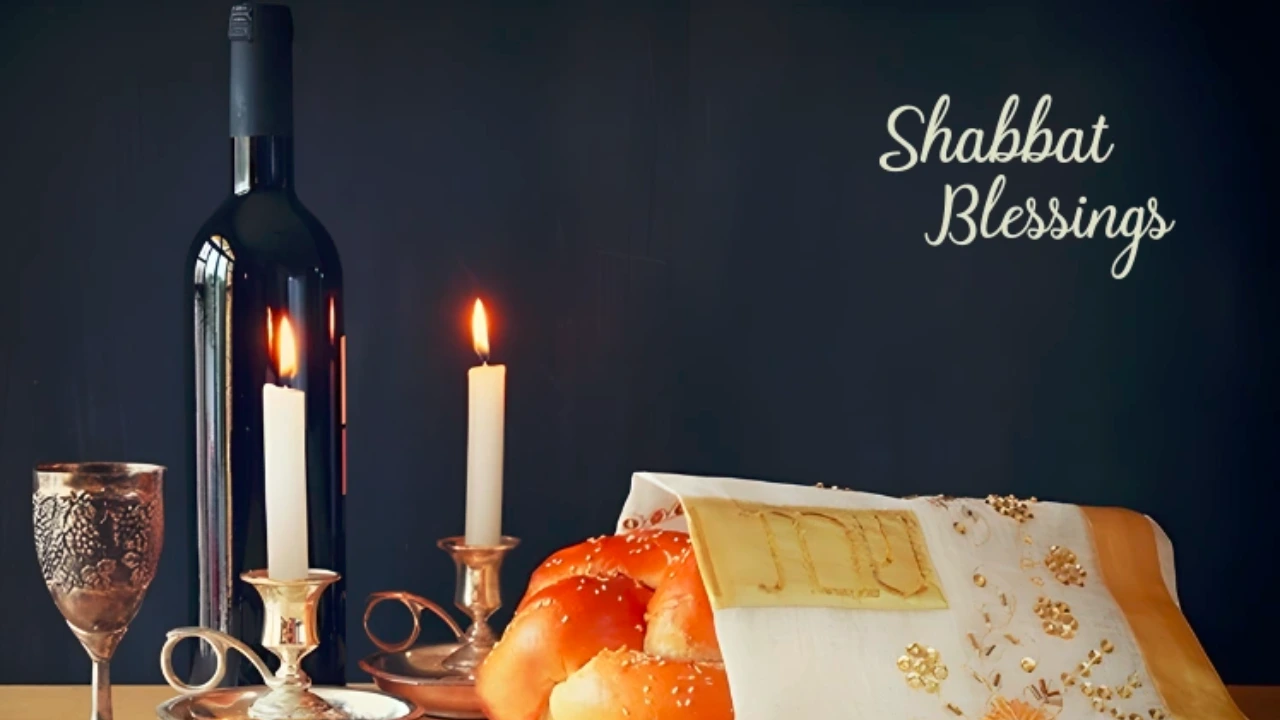
Shabbat blessings hold a central place in Jewish life and weekly spiritual practice. These blessings help families pause from daily routines and enter a time of rest, gratitude, and reflection. Shabbat begins every Friday evening and continues until Saturday night, creating sacred time that focuses on peace and connection.
People around the world observe blessings as a way to honor tradition and strengthen family bonds. The words spoken during Shabbat carry deep meaning but remain simple and comforting. This article explains the purpose, structure, and importance of blessings in a clear and informative way.
Table of Contents
About the Purpose of Shabbat Blessings
Shabbat blessings exist to welcome holiness into everyday life. They mark the transition from work to rest and from routine to reflection. These blessings remind people that time itself can be meaningful and sacred. Shabbat blessings also help create emotional balance after a busy week, similar to the comfort people seek through wednesday prayers and blessings during midweek reflection. Families use these prayers to slow down and focus on gratitude instead of stress. This spiritual pause supports mental calm and emotional clarity. The tradition encourages mindfulness through spoken words and shared rituals. By repeating blessings each week, families build consistency and spiritual awareness.
How Shabbat Mark the Beginning of Sacred Rest?
Shabbat clearly separate work time from rest time. They help the mind and heart release weekday pressure.
- “Blessings mark the moment rest begins.”
- “Shabbat starts when effort ends.”
- “Words of blessing slow the soul.”
- “Rest begins with intention.”
- “Shabbat blessings close the work week.”
- “Sacred rest starts with spoken words.”
- “Blessings guide the body into calm.”
- “Shabbat invites peace through prayer.”
- “The week ends with blessing, not noise.”
- “Sacred time starts when blessings are spoken.”
Spiritual Importance of Blessings at Home
Shabbat bring spiritual focus into the home. They help families feel calm, respectful, and connected.
- “Blessings turn houses into homes.”
- “Peace grows where blessings are spoken.”
- “Shabbat fills the home with meaning.”
- “Spiritual calm begins at home.”
- “Blessings strengthen family spirit.”
- “A blessed home feels safe.”
- “Shabbat centers the household.”
- “Faith enters the home through blessing.”
- “Homes grow warmer on Shabbat.”
- “Blessings shape family values.”
Blessings Over Candles and Their Symbolism

The candle blessing welcomes light and peace into the home. The flames represent calm, hope, and spiritual awareness.
- “Candlelight carries peace.”
- “Light invites calm into the home.”
- “Shabbat candles soften the week.”
- “The flame reminds us to slow down.”
- “Light leads the heart to rest.”
- “Candles welcome sacred time.”
- “Peace begins with light.”
- “The flame marks holy time.”
- “Shabbat light guides reflection.”
- “Candles turn evenings sacred.”
Role of Wine and Kiddush in Blessings
Wine blessings celebrate joy and holiness. Kiddush reminds families to honor life and creation.
- “Wine lifts joy into blessing.”
- “Kiddush honors sacred time.”
- “Joy deserves gratitude.”
- “Blessed wine celebrates life.”
- “Kiddush sanctifies the moment.”
- “Wine connects joy and faith.”
- “Shabbat joy begins with Kiddush.”
- “The cup holds holiness.”
- “Wine turns moments meaningful.”
- “Kiddush reminds us to celebrate.”
Significance of Challah Blessings During Shabbat Meals
The challah blessing expresses gratitude for nourishment. It teaches appreciation for shared meals and daily provision.
- “Challah reminds us to be thankful.”
- “Bread connects body and spirit.”
- “Gratitude begins before eating.”
- “Shared bread builds unity.”
- “Blessed food nourishes deeper.”
- “Challah honors daily needs.”
- “Bread carries thankfulness.”
- “Meals gain meaning through blessing.”
- “Challah represents care.”
- “Gratitude starts at the table.”
Blessings for Children and Family Unity
Blessing children strengthens family bonds. It gives children emotional comfort and confidence.
- “Blessed children feel secure.”
- “Words of blessing build trust.”
- “Shabbat strengthens families.”
- “Children grow through love.”
- “Blessings shape young hearts.”
- “Family unity begins with care.”
- “Shabbat teaches love openly.”
- “Children remember blessings forever.”
- “Faith is passed through touch.”
- “Blessings protect family bonds.”
How Blessings Promote Peace and Mindfulness?
Shabbat slow life and calm the mind. They encourage presence instead of worry.
- “Blessings slow rushing thoughts.”
- “Peace begins with stillness.”
- “Mindfulness grows on Shabbat.”
- “Calm enters through prayer.”
- “Blessings quiet the mind.”
- “Shabbat teaches presence.”
- “Peace needs intention.”
- “Rest clears the heart.”
- “Blessings guide awareness.”
- “Shabbat invites calm living.”
Modern Practice of Blessings in Daily Life
Modern families adapt Shabbat blessings to busy schedules. The core meaning remains unchanged.
- “Tradition adapts without losing meaning.”
- “Shabbat fits every generation.”
- “Blessings survive modern life.”
- “Faith evolves with time.”
- “Meaning matters more than form.”
- “Modern homes still need rest.”
- “Blessings remain relevant.”
- “Shabbat adjusts, values stay.”
- “Sacred time survives change.”
- “Tradition lives through practice.”
Why Shabbat Continue to Matter Today?
Shabbat protect balance in a fast world. They remind people that rest and connection are essential.
- “Rest is not optional.”
- “Blessings protect balance.”
- “Shabbat heals busy lives.”
- “Connection needs time.”
- “Peace requires pause.”
- “Blessings slow modern life.”
- “Shabbat restores clarity.”
- “Rest supports well-being.”
- “Faith survives through rhythm.”
- “Shabbat blessings remain timeless.”
Conclusion
Shabbat blessings offer a weekly pause that restores balance, peace, and purpose in daily life. They help families step away from pressure and reconnect through rest, gratitude, and shared faith. By practicing Shabbat blessings regularly, people protect sacred time in a fast-moving world. These blessings continue to guide hearts toward calm, unity, and meaningful living across generations.