80+ Best Caption For Mabon Blessings Celebrate Equinox
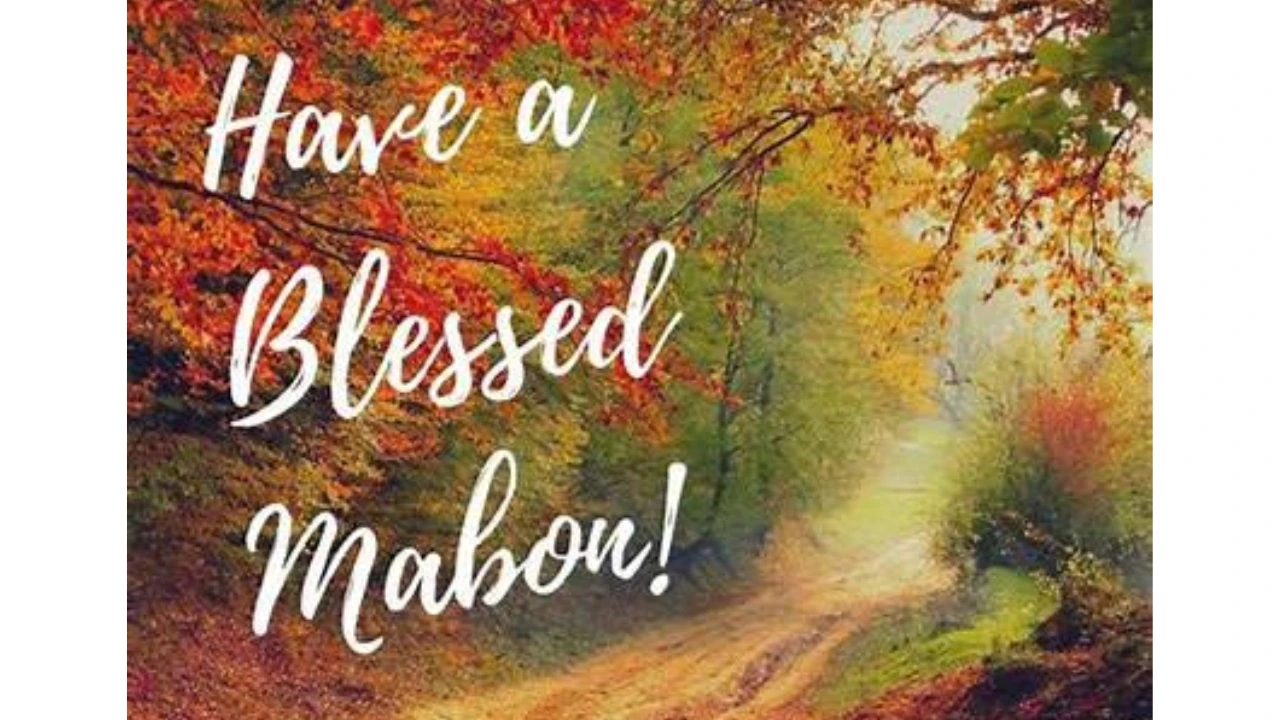
Mabon blessings are warm wishes shared during Mabon, the pagan festival that celebrates the autumn equinox. This special day marks the time when day and night are almost equal in length. It reminds people to appreciate the harvest, reflect on life’s balance, and prepare for the colder months ahead. Many followers of Paganism and Wicca celebrate Mabon by gathering with family, enjoying seasonal foods, decorating their homes, and expressing gratitude for nature’s gifts.
What Are Mabon Blessings?
Mabon blessings are words of gratitude, encouragement, and goodwill shared during the Mabon festival. They often include wishes for peace, abundance, good health, happiness, and balance. Unlike ordinary greetings, these blessings reflect the spirit of the harvest season and the beauty of nature’s changing cycle. Just as a blessings thrift store gives donated items a meaningful new purpose, these seasonal blessings encourage people to appreciate what they already have and share kindness with others.
Understanding the Meaning of Mabon
Mabon is celebrated around September 21 to September 23 in the Northern Hemisphere. It marks the autumn equinox, when daylight and darkness are nearly equal. This balance symbolizes harmony between light and dark, work and rest, and giving and receiving. Although the modern name “Mabon” became popular in contemporary Pagan traditions, the festival itself draws inspiration from ancient harvest celebrations across Europe. Farmers celebrated successful crops, thanked nature, and prepared for winter by storing food.
History of the Mabon Festival
The origins of Mabon connect to ancient agricultural societies. Long before modern farming, communities depended on successful harvests for survival. Autumn marked the completion of months of hard work in the fields. Different cultures celebrated harvest festivals in their own ways. The Celts, Romans, Greeks, and other European civilizations held ceremonies to honor the Earth’s abundance. Mabon blessings Pagan and Wiccan traditions later adopted these harvest themes and developed the celebration now known as Mabon.
Symbols of Mabon
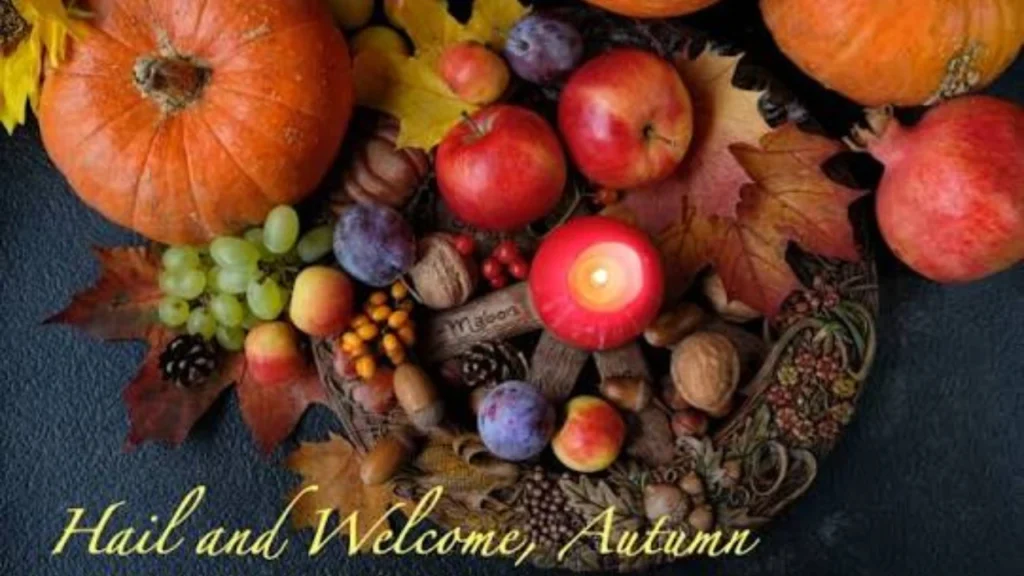
Several symbols represent the meaning of Mabon and its connection to nature.
| Symbol | Meaning |
|---|---|
| Apples | Knowledge, abundance, and harvest |
| Pumpkins | Prosperity and seasonal change |
| Corn | Successful harvest and gratitude |
| Grapes | Joy and celebration |
| Wheat | Food, nourishment, and prosperity |
| Fallen Leaves | Life cycles and transformation |
| Acorns | New beginnings and future growth |
| Candles | Balance between light and darkness |
These symbols often appear in home decorations, seasonal altars, greeting cards, and family celebrations.
Why People Share Mabon Blessings?
People exchange blessings because gratitude strengthens relationships and encourages positive thinking. During Mabon, many families gather for meals similar to Thanksgiving traditions. Before eating, someone may offer a blessing that thanks nature, loved ones, and the changing seasons. Sharing kind words also reminds everyone to recognize success without becoming prideful. Mabon blessings teaches appreciation for simple joys, healthy relationships, and personal growth.
Popular Mabon Blessings and Greetings
Many blessings focus on peace, abundance, and harmony. Here are several examples that people commonly share.
“Blessed Mabon. May your home be filled with peace, your table with plenty, and your heart with gratitude.”
“May the balance of the equinox bring wisdom, joy, and hope into your life.”
“May your harvest reward your efforts, and may the coming season bring comfort and strength.”
“Wishing you a joyful autumn filled with love, kindness, and lasting happiness.”
These greetings work well in greeting cards, family gatherings, social media posts, and seasonal celebrations.
Mabon Traditions Around the World
Although Mabon belongs mainly to modern Pagan traditions, harvest festivals exist across many cultures. Different communities celebrate the changing season with food, music, and thanksgiving.
| Tradition | Purpose |
|---|---|
| Harvest meals | Celebrate successful crops |
| Nature walks | Appreciate seasonal beauty |
| Family gatherings | Share gratitude together |
| Candle lighting | Honor balance and reflection |
| Seasonal decorations | Welcome autumn into the home |
| Giving to charity | Share abundance with others |
These traditions show that gratitude is a universal value found in many cultures.
Foods Commonly Enjoyed During Mabon
Food plays an important role in every harvest celebration. Seasonal fruits and vegetables remind people of the Earth’s generosity. Common Mabon foods include apples, pears, pumpkins, squash, corn, potatoes, grapes, nuts, mushrooms, bread, honey, cider, and berry desserts. Many families prepare homemade soups, roasted vegetables, fresh bread, and apple pies. Mabon blessings Sharing these meals strengthens family bonds while honoring the harvest season.
Decorating for Mabon
Many homes display natural decorations during Mabon. Autumn colors such as gold, orange, brown, red, and yellow create a warm atmosphere. People decorate with pumpkins, dried corn, wheat bundles, colorful leaves, candles, pinecones, baskets of apples, grapes, and fresh flowers. These decorations celebrate both beauty and abundance without requiring expensive materials. Natural decorations also remind families of their connection to the changing seasons.
How Families Celebrate Together?
Families celebrate Mabon in simple but meaningful ways. They cook meals together, decorate their homes, visit pumpkin patches, collect colorful leaves, or enjoy outdoor picnics. Parents often teach children about gratitude by asking everyone to share something they appreciate. This simple activity helps children develop kindness and thankfulness from an early age. Some families also donate food or volunteer at local charities to share their blessings with people in need.
Difference Between Mabon and Thanksgiving
Many people compare Mabon with Thanksgiving because both celebrate gratitude and harvest. However, they have different historical backgrounds.
| Feature | Mabon | Thanksgiving |
|---|---|---|
| Main Focus | Autumn Equinox | Historical harvest celebration |
| Date | Around September 21–23 | Fourth Thursday of November in the U.S. |
| Tradition | Pagan and Wiccan | National holiday |
| Theme | Balance and gratitude | Thankfulness and family |
| Activities | Nature rituals, reflection | Family meals and gatherings |
Both celebrations encourage appreciation, generosity, and togetherness.
Tips for Writing Your Own Mabon Blessing
Creating a personal blessing is simple. Focus on gratitude, kindness, and hope. Mention the beauty of autumn and wish others peace and abundance. A meaningful blessing usually includes appreciation for nature, encouragement for the future, and sincere wishes for health and happiness. Personal words often have greater impact than copied greetings because they reflect genuine feelings.
Conclusion
Mabon blessings remind people that every season offers valuable lessons. Autumn teaches gratitude, balance, generosity, and reflection. As nature prepares for winter, people also have an opportunity to appreciate their achievements and focus on what truly matters. Whether celebrated through family meals, quiet reflection, seasonal decorations, or simple words of thanks, Mabon blessings encourage a spirit of kindness and appreciation. By embracing these timeless values, anyone can make the autumn season more meaningful and strengthen their connection with family, community, and the natural world.