
80+ Best Caption For Macmillan Dictionary of the Bible
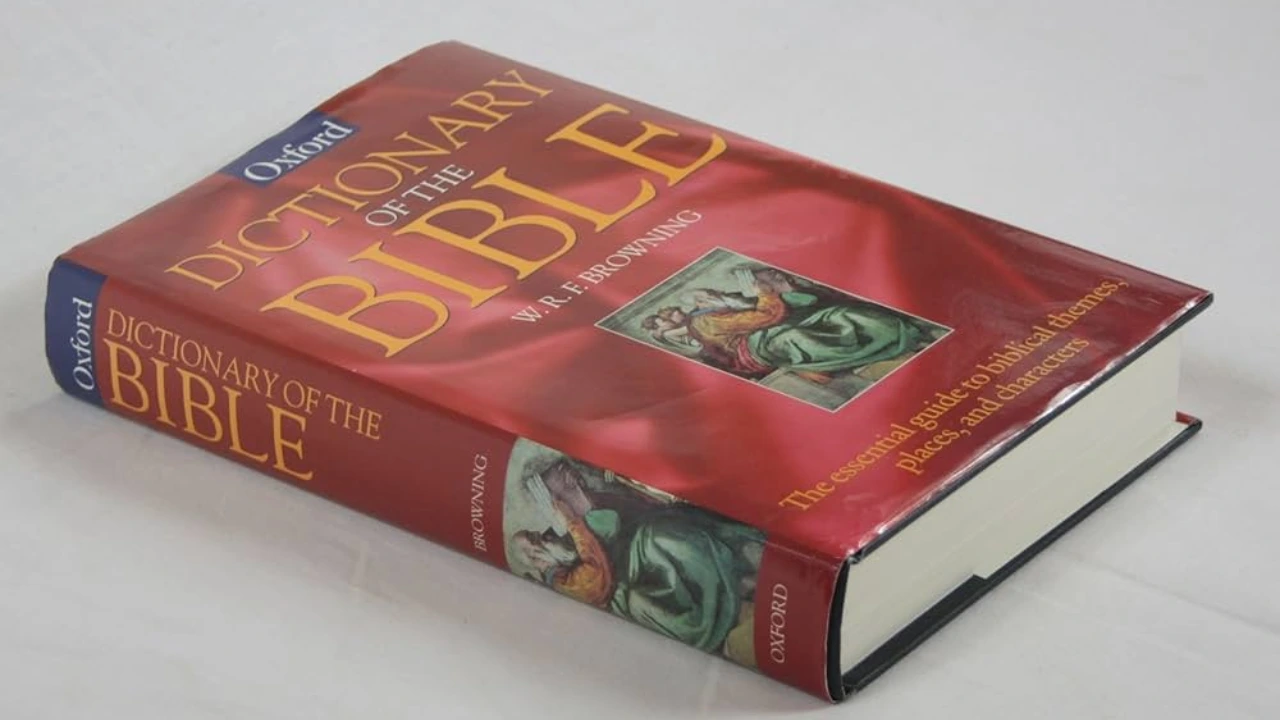
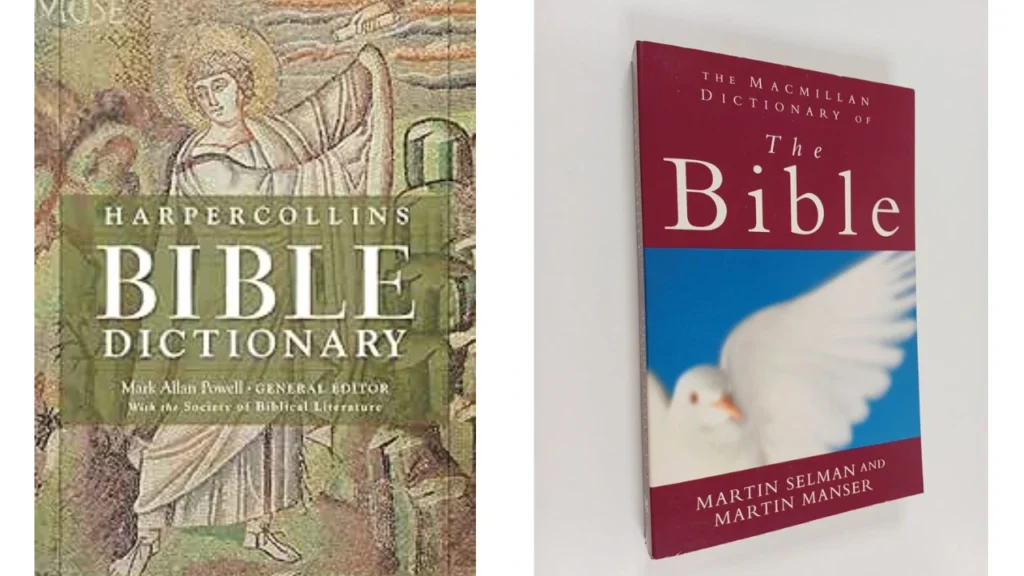
The Macmillan Dictionary of the Bible is a trusted reference book that helps readers understand the people, places, events, and teachings found in the Bible. Many students, pastors, teachers, and believers use this resource to gain a deeper understanding of Scripture. The dictionary explains biblical terms in simple language and provides historical background that makes Bible study easier and more meaningful.
Table of Contents
What Is the Macmillan Dictionary of the Bible?
The Macmillan Dictionary of the Bible is a biblical reference guide that contains hundreds of entries related to Scripture. It covers important topics from both the Old Testament and the New Testament. Readers can quickly find information about biblical characters, geographical locations, religious practices, and historical events. Unlike highly technical theological books, this dictionary focuses on making biblical knowledge accessible to ordinary readers. Readers who study various translations, including the NIV Bible, often use this dictionary to gain deeper insight into biblical terms and historical context. The authors designed it to provide reliable information in a concise and understandable way.
History and Background of the Dictionary
The dictionary was created by respected biblical scholars who wanted to make Bible study more approachable. Their goal was to present accurate information without overwhelming readers with complex academic language. The book combines biblical scholarship with practical explanations that support personal study and research. Over the years, the dictionary has become a respected resource in churches, schools, libraries, and homes. Many readers appreciate its balanced approach because it provides useful information while remaining easy to understand.
Why Bible Readers Use This Dictionary?
Many people struggle to understand certain parts of the Bible because they lack historical or cultural knowledge. The Bible was written thousands of years ago in settings that differ greatly from modern society. Understanding these differences can improve Bible comprehension.
| Feature | Benefit for Readers |
|---|---|
| People of the Bible | Learn about important biblical figures |
| Places in Scripture | Understand biblical geography |
| Historical Events | Gain context for Bible stories |
| Religious Practices | Understand customs and traditions |
| Biblical Terms | Clarify difficult words and concepts |
| Book Summaries | Get overviews of Bible books |
These features make the dictionary an effective companion for personal devotion, academic study, and sermon preparation.
Key Features of Macmillan Dictionary of the Bible
One reason for the popularity of the Macmillan Dictionary of the Bible is its wide range of helpful features. The dictionary contains detailed yet concise entries that allow readers to find information quickly.
1. Alphabetical Organization
The dictionary arranges topics alphabetically. This structure allows readers to locate information without spending time searching through lengthy chapters. Whether someone wants information about Abraham, Jerusalem, or the Pharisees, the alphabetical format makes research simple.
2. Coverage of Biblical Characters
The dictionary provides valuable information about major and minor figures in Scripture. Readers can learn about prophets, kings, disciples, judges, and other important individuals who shaped biblical history.
3. Geographic Information
Biblical geography plays an important role in understanding Scripture. The dictionary explains locations such as Bethlehem, Nazareth, Jerusalem, Galilee, and many others. Understanding these places helps readers visualize biblical events more clearly.
4. Historical Context
Historical background often reveals the deeper meaning of biblical passages. The dictionary explains political systems, cultural customs, and social practices that influenced events in the Bible.
5. Theological Concepts
Readers can also explore important theological ideas. Topics such as covenant, salvation, prophecy, faith, grace, and redemption receive clear explanations that support spiritual growth.
How the Dictionary Supports Bible Study?
Effective Bible study requires more than simply reading verses. Readers often need additional information to understand the original meaning of Scripture. The Macmillan Dictionary of the Bible provides this support by offering background information that enhances understanding. For example, a reader studying the life of King David can quickly access information about his family, reign, achievements, and significance in biblical history. Similarly, someone reading about Paul’s missionary journeys can learn about the cities he visited and the challenges he faced.
Important Topics Covered in the Dictionary
The dictionary addresses a wide variety of subjects that appear throughout Scripture.
Biblical People
The book contains entries about:
- Abraham
- Moses
- David
- Solomon
- Isaiah
- Peter
- Paul
- Mary
- Jesus Christ
These entries summarize the lives and contributions of key biblical figures.
Biblical Places
Readers can explore information about:
- Jerusalem
- Bethlehem
- Nazareth
- Egypt
- Babylon
- Galilee
- Jordan River
Geographical knowledge helps readers connect events to real historical locations.
Biblical Events
The dictionary also explains major events such as:
- Creation
- The Exodus
- The Flood
- The Babylonian Exile
- The Birth of Jesus
- The Crucifixion
- The Resurrection
These entries provide essential background that improves biblical understanding.
Who Should Use Macmillan Dictionary of the Bible?
The dictionary serves a wide audience. Its straightforward language makes it suitable for readers at various levels of biblical knowledge.
1. Students
Students often use biblical dictionaries when writing assignments, preparing presentations, or conducting research. The dictionary provides reliable information in a concise format.
2. Pastors and Church Leaders
Pastors frequently consult reference materials while preparing sermons and Bible studies. The dictionary helps them verify facts and understand biblical context.
3. Teachers
Sunday school teachers and Bible instructors use the dictionary to answer questions and provide accurate explanations during lessons.
4. Everyday Bible Readers
Anyone interested in learning more about Scripture can benefit from this resource. Readers do not need advanced theological training to understand its content.
Advantages of Using the Dictionary
The following table highlights some important advantages.
| Advantage | Description |
| Easy Language | Simple explanations for all readers |
| Quick Reference | Information is easy to find |
| Broad Coverage | Covers many biblical subjects |
| Reliable Information | Based on biblical scholarship |
| Educational Value | Supports learning and research |
| Practical Use | Useful for personal Bible study |
These strengths contribute to the dictionary’s lasting popularity among Bible readers.
Comparing the Dictionary with Other Bible References
Many Bible reference books exist today, including encyclopedias, commentaries, concordances, and study Bibles. Each serves a unique purpose.
| Resource Type | Primary Purpose |
| Dictionary | Explains biblical topics |
| Commentary | Interprets Bible passages |
| Concordance | Finds specific words |
| Study Bible | Combines notes with Scripture |
| Encyclopedia | Provides extensive articles |
The Macmillan Dictionary of the Bible stands out because it balances simplicity and accuracy. Readers receive useful information without navigating highly technical discussions.
Why Biblical Dictionaries Remain Relevant Today?
Modern readers have access to countless online resources, yet printed reference books continue to provide value. A well-researched dictionary offers organized information from trusted scholars. Readers can explore topics without distractions and develop a deeper appreciation for Scripture. The Macmillan Dictionary of the Bible remains relevant because it addresses timeless questions about biblical history, culture, and theology. Its straightforward approach makes it useful for both traditional and modern Bible study methods.
Conclusion
The Macmillan Dictionary of the Bible is an excellent resource for anyone who wants to understand Scripture more clearly. It provides concise explanations of biblical people, places, events, and teachings while remaining accessible to readers of all backgrounds. Its organized structure, reliable scholarship, and user-friendly language make it a valuable companion for personal study, teaching, preaching, and research.