
80+ Best Caption For Food Prayer Blessing
A food prayer blessing is a simple prayer or thankful message spoken before eating a meal. People across many cultures and religions use this tradition to show gratitude for food, family, health, and daily life. This practice brings peace, kindness, and mindfulness to the table. It also reminds people that every meal is a gift that deserves appreciation.
Table of Contents
What Is a Food Prayer Blessing?
A food prayer blessing is a spoken expression of thanks before a meal. People usually thank God, nature, or the people who prepared the food. This tradition has existed for centuries and appears in many religions and cultures. The blessing often focuses on gratitude, health, peace, and sharing. Families may hold hands, bow their heads, or sit quietly during the prayer. Some blessings are formal and traditional, while others sound natural and personal, including famous worship lines like doxology praise god from whom all blessings flow lyrics, which many families and churches recite during prayers and gatherings.
Why Food Blessings Matter Today?
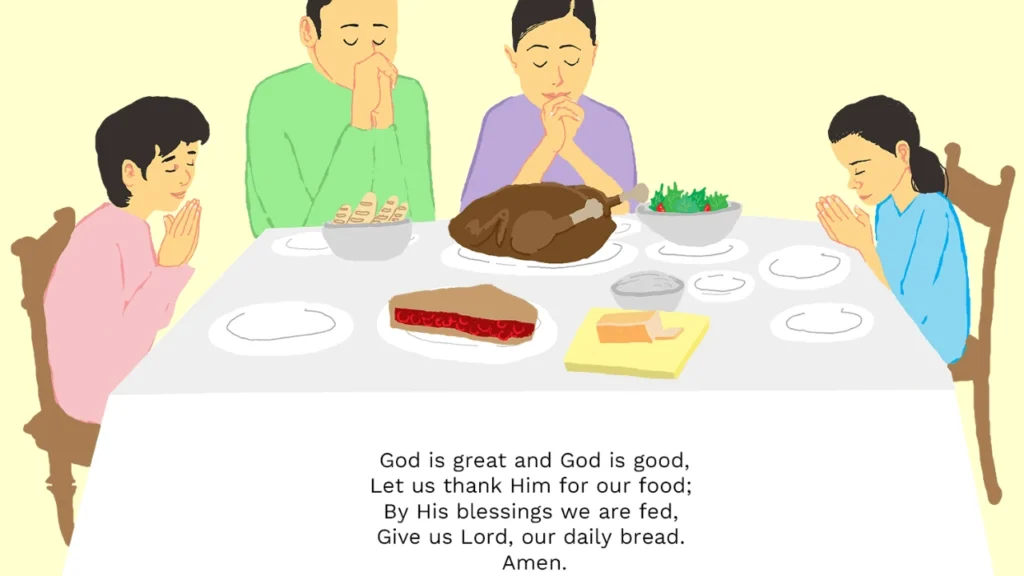
Modern lifestyles move very fast. Many people eat while working, driving, or using phones. This habit reduces family connection and increases stress. A meal prayer helps people slow down and focus on the present moment. Research on gratitude and mindfulness shows that thankful habits improve emotional health and relationships. Families who share meals together often communicate better and feel more connected. A blessing before food creates a peaceful beginning to that shared time.
| Benefit | Explanation |
|---|---|
| Builds Gratitude | Helps people appreciate food and life |
| Strengthens Families | Encourages bonding during meals |
| Creates Calmness | Reduces stress before eating |
| Teaches Respect | Helps children value food and effort |
| Encourages Mindfulness | Makes people more aware of the present moment |
A simple food prayer blessing can improve the emotional atmosphere of a meal. It creates warmth, kindness, and togetherness within families and communities.
The History of Food Prayer Blessings
The tradition of blessing food dates back thousands of years. Ancient civilizations thanked gods and nature for successful harvests. Early communities believed food was sacred because survival depended on it. In Christianity, people often pray before meals to thank God for providing daily bread. Jewish traditions include blessings called “Berakhot” before eating different foods. In Islam, Muslims say prayers before and after meals to show gratitude to Allah. Hindu and Buddhist families also practice thankful prayers connected to food and life.
Common Types of Food Blessings
People use different kinds of blessings based on culture, religion, and personal preference. Some prayers are formal, while others sound casual and modern.
1. Traditional Religious Blessings
Traditional prayers often come from religious teachings or family customs. These blessings stay popular because they connect people with faith and history. One famous Christian prayer says:
“Bless us, O Lord, and these Thy gifts which we are about to receive.”
Muslim families often begin meals with “Bismillah,” which means “In the name of Allah.”
These prayers create spiritual comfort and encourage gratitude.
2. Short Everyday Blessings
Many families prefer simple and quick blessings before meals. Short prayers work well for busy schedules and young children.
- “Thank You for this food and our time together.”
- “May this meal bring health and happiness.”
- “We are grateful for this food and love.”
A short food prayer blessing still carries strong meaning even when spoken in a few words.
3. Non-Religious Food Blessings
Some people prefer blessings without religious language. These prayers focus on gratitude, kindness, and appreciation for nature and human effort. A non-religious blessing may thank farmers, cooks, family members, and the earth for providing nourishment. This style works well in diverse groups where people follow different beliefs.
How Food Blessings Help Children?
Children learn habits from family routines. Meal prayers teach kids patience, gratitude, and respect for food. They also help children understand the importance of sharing and kindness. When families practice blessings regularly, children often feel safer and more connected. The routine creates emotional stability and encourages positive communication. Parents can keep prayers simple for younger children. Easy words help them understand the meaning behind the blessing.
| Skill Learned | How Blessings Help |
|---|---|
| Gratitude | Children appreciate meals and effort |
| Patience | Kids learn to wait before eating |
| Respect | Encourages polite table behavior |
| Communication | Creates family conversation time |
| Emotional Security | Builds healthy family traditions |
Families who practice a food prayer blessing often notice stronger emotional connections at the dinner table.
Food Blessings Around the World
Different cultures have unique ways of blessing meals. These traditions reflect local beliefs, customs, and history.
- In Japan, people often say “Itadakimasu” before eating. This phrase expresses thanks for everyone involved in preparing the meal.
- In India, some families chant spiritual prayers before meals to honor life and nourishment.
- In African cultures, shared meals often include blessings focused on community and unity.
- Native American traditions sometimes include prayers thanking nature, animals, and the earth for providing food.
These global traditions show that gratitude connects people everywhere.
The Connection Between Gratitude and Health
Scientists and mental health experts often study gratitude because it affects emotional wellness. Thankful habits reduce stress and improve mood. People who practice gratitude regularly often feel happier and more satisfied. Meal blessings encourage mindful eating. Mindful eating helps people slow down and pay attention to hunger and fullness. This practice may support healthier eating habits. A daily food prayer blessing can support both mental and emotional health in simple but meaningful ways.
How to Create Your Own Food Blessing?
Creating a personal blessing is easy. The prayer does not need special words or perfect grammar. The message should feel honest and sincere. Start by focusing on gratitude. Thank God, nature, family, or the people who prepared the meal. Mention peace, health, or togetherness if desired. Keep the blessing short and natural. Simple language often feels more meaningful than complicated phrases. Here is an easy structure for creating a meal prayer:
| Step | Example |
|---|---|
| Give Thanks | “Thank You for this meal.” |
| Mention People | “Bless the hands that prepared it.” |
| Ask for Goodness | “May this food give us strength.” |
| End Kindly | “Amen” or “Thank you.” |
Personal blessings feel warm because they reflect genuine feelings and family values.
Best Times to Say a Food Blessing
People usually pray before meals, but blessings also fit many special occasions. Families may use longer prayers during holidays, birthdays, or celebrations. A blessing works well during:
- Family dinners
- Thanksgiving meals
- Weddings
- Community events
- School lunches
- Religious gatherings
Some people also say silent prayers when eating alone. This habit creates peace and mindfulness even during busy days.
Simple Food Blessing Examples
Many people look for easy blessings they can remember quickly. Simple prayers often feel more natural for daily use. Here are a few examples:
“Thank You for this food, our family, and the love we share today.”
“May this meal nourish our bodies and bring peace to our hearts.”
“We are grateful for this food and everyone who helped provide it.”
Each food prayer blessing reminds people to focus on gratitude instead of stress or distraction.
Why Gratitude at Meals Still Matters?
Technology and busy schedules often reduce family interaction. Many people eat separately or spend meals using screens. A blessing creates a pause that encourages conversation and connection. This simple tradition also helps people value food instead of wasting it. Around the world, millions struggle with hunger and food insecurity. Gratitude encourages awareness and compassion. Meal prayers also support emotional balance. They create a peaceful moment before eating and help people feel connected to others.
Conclusion
A food prayer blessing is more than a tradition. It is a meaningful habit that encourages gratitude, mindfulness, and connection. People from many cultures and religions practice food blessings because they create peace and appreciation around the table. Whether the prayer is religious, spiritual, or simple gratitude, the purpose remains powerful. It reminds people to value food, family, health, and togetherness. In today’s busy world, even a few thankful words before eating can improve emotional well-being and strengthen relationships.